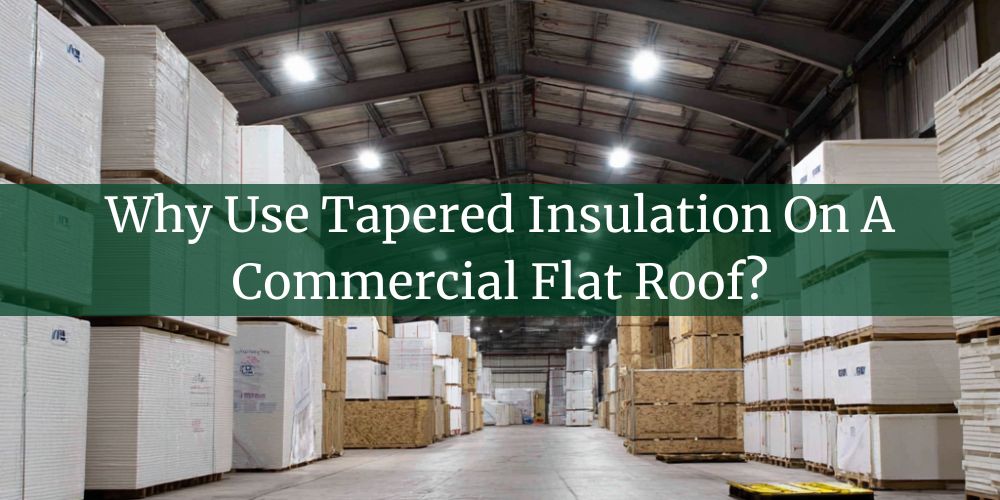
Tapered insulation systems in the United Kingdom significantly enhance roof drainage and thermal performance by facilitating effective water runoff and improving insulation efficiency. These systems are particularly beneficial in areas with frequent rainfall, preventing water pooling and reducing the risk of leaks and structural damage. Additionally, by increasing the thermal resistance of a building envelope, they contribute to energy efficiency, helping to reduce heating costs and carbon emissions, aligning with sustainability goals in the UK.
For commercial building owners and facility managers in the UK, understanding how tapered insulation systems can optimise both drainage and thermal performance is crucial for improving building longevity and energy efficiency. In this blog, we'll analyse how this approach can benefit your commercial property, providing insights into installation considerations and long-term advantages in the UK’s variable climate.
What Are Tapered Insulation Systems and How Do They Work?
Tapered insulation systems are designed to create sufficient slope on flat roofing to facilitate effective water drainage. This is achieved by varying the thickness of the insulation panels to direct water towards drains, thus preventing standing water and potential roof damage. Using these systems can extend the lifespan of the roof and improve energy efficiency by providing better insulation in specific areas. Here is a detailed breakdown of the key aspects of tapered insulation systems:
- Water Drainage Efficiency: Ensures proper roof drainage by creating slopes.
- Material Versatility: Offers diverse insulation materials to suit different project requirements.
- Enhanced Energy Efficiency: Improves thermal performance and reduces energy costs.
- Custom Design Flexibility: Can be tailored to fit unique roof specifications.
- Extended Roof Lifespan: Mitigates water damage and reduces potential for leaks.
1. Water Drainage Efficiency: Ensures proper roof drainage by creating slopes.
Water drainage efficiency refers to the system's capability to channel water effectively off the roof. Tapered insulation systems are engineered to create optimal slopes on flat roofs. By directing water towards designated drains, they prevent water pooling and subsequent roof deterioration. This efficiency significantly reduces the risk of leaks, thereby protecting the building’s structural integrity and reducing maintenance costs over time.
2. Material Versatility: Offers diverse insulation materials to suit different project requirements.
Material versatility means having a range of insulation materials available for different needs. Tapered insulation systems can be constructed from various materials, such as polyisocyanurate or expanded polystyrene. These choices allow the system to be tailored to specific thermal and budgetary requirements. This flexibility ensures that the roofing solution meets both performance standards and project constraints, making it adaptable to various building types.
3. Enhanced Energy Efficiency: Improves thermal performance and reduces energy costs.
Enhanced energy efficiency refers to the system’s ability to improve insulation and lower energy use. By incorporating higher insulating values, tapered insulation systems help maintain indoor temperatures more consistently. This leads to a reduction in heating and cooling demands. Such improvements can translate into noticeable energy cost savings, making the systems both environmentally friendly and economically beneficial over their lifespan.
4. Custom Design Flexibility: Can be tailored to fit unique roof specifications.
Custom design flexibility is the ability to adapt the system to specific building needs. Each building may have unique structural challenges, and tapered insulation systems can be adjusted to accommodate these variations. This flexibility includes altering the slope degree and thickness. Design precision ensures that even complex roof designs receive the necessary drainage, further enhancing the roof’s durability and functionality.
5. Extended Roof Lifespan: Mitigates water damage and reduces potential for leaks.
Extended roof lifespan indicates the prolonged usability of the roof due to protective measures. By effectively managing water drainage, tapered insulation systems prevent common causes of roof deterioration, such as standing water. This proactive approach significantly reduces the likelihood of leaks. Consequently, these systems can potentially extend the service life of the roof, providing a long-term solution that protects investment and reduces the need for frequent repairs.
Have a question about an upcoming project?
Why Are Tapered Insulation Systems Essential for Optimising Roof Drainage?
Tapered insulation systems are crucial for facilitating effective water drainage from flat roofs. These systems are designed to create the necessary slope on flat or low-slope roofs, preventing water accumulation and potential damage. Without proper drainage, roofs can suffer from leaks, structural issues, and reduced lifespan.
The following list outlines the primary reasons tapered insulation systems are essential for optimising roof drainage:
- Enhanced Drainage: Promotes efficient water run-off, preventing ponding and water damage.
- Long-term Structural Integrity: Reduces the risk of leaks and deterioration.
- Improved Thermal Performance: Insulation integrated into the design for energy efficiency.
- Reduced Maintenance Costs: Minimises the need for frequent repairs and maintenance.
- Versatility in Roof Design: Adaptable to unique architectural requirements and roof designs.
1. Enhanced Drainage: Promotes efficient water run-off, preventing ponding and water damage.
Enhanced drainage refers to the improvement in water flow off a roof, preventing any accumulation. Tapered insulation systems are designed specifically to create a slope in flat roofs, ensuring water does not collect and cause damage. These systems are essential in climates where rainfall can lead to pooling, which, if not addressed, may result in leaks and structural issues. Traditionally, flat roofs can face challenges with drainage, making primary enhancements crucial. Not only does proper drainage protect the roofing material, but it also extends the roof’s overall lifespan, safeguarding the underlying building structure. Consequently, incorporating tapered insulation is both a preventive and a cost-effective measure for building maintenance.
2. Long-term Structural Integrity: Reduces the risk of leaks and deterioration.
Long-term structural integrity refers to the roof’s ability to remain robust and functional over time. Tapered insulation systems contribute to this by ensuring that water is consistently drained away from sensitive areas. When water is efficiently directed off the roof, the likelihood of leaks is significantly diminished, helping preserve the building's integrity. A roof that consistently suffers from water pooling can experience gradual deterioration, weakening the structure. This proactive protection against water damage not only maintains the building’s condition but also ensures safety for its occupants. Tapered insulation thus becomes an invaluable component in maintaining the structural soundness of both commercial and residential structures.
3. Improved Thermal Performance: Insulation integrated into the design for energy efficiency.
Improved thermal performance signifies enhanced energy efficiency due to quality insulation. Tapered insulation systems naturally incorporate thermal insulation as part of their design, which aids in regulating building temperature. Proper insulation can lead to significant energy savings by reducing the need for heating and cooling systems to work as extensively. This integrated insulation approach not only assists in water drainage but also aligns with sustainability goals by contributing to energy efficiency. Buildings with such systems can enjoy a reduction in energy costs, proving beneficial for both environmental and economic reasons. As energy efficiency becomes a priority, tapered systems offer a blend of drainage and insulation advantages.
4. Reduced Maintenance Costs: Minimises the need for frequent repairs and maintenance.
Reduced maintenance costs imply savings on regular upkeep due to the robust performance of the roof. By ensuring efficient water drainage and structural integrity, tapered insulation systems decrease the necessity for routine repairs. This aspect is particularly appealing to building owners who are keen on minimising operational expenses.
Frequent repairs can be disruptive and costly, not just financially but also in terms of time and resources. By investing in a tapered insulation system, building owners can ensure their roofs require less intervention, securing a long-term economic advantage. The reduction in maintenance needs subsequently offers peace of mind, affirming the value of the initial investment.
5. Versatility in Roof Design: Adaptable to unique architectural requirements and roof designs.
Versatility in roof design means the ability to accommodate various architectural styles and standards. Tapered insulation systems can be custom-designed to meet the specific slope and aesthetic requirements of different roofs. This adaptability ensures that they can be applied to a range of building designs without compromising on performance. Various roofing projects might demand unique solutions, particularly in terms of drainage angles and insulation requirements. Tapered insulation systems offer the flexibility needed to meet those diverse needs while still providing effective moisture management. Consequently, they become an integral component in innovative and functional architectural design, offering a solution that balances aesthetics and utility.
How Do Tapered Insulation Systems Improve Thermal Performance in Commercial Roofing?
Tapered insulation systems enhance thermal performance by ensuring proper drainage and reducing heat loss in commercial roofs. They prevent water accumulation, thus improving roof longevity and efficiency. Additionally, they optimise the insulation layer's thickness, which helps maintain consistent indoor temperatures. Tapered insulation systems offer numerous benefits to commercial roofing. The following list outlines the key ways in which these systems improve thermal performance:
- Drainage Efficiency: Prevents water accumulation, safeguarding the roof structure.
- Thermal Efficiency: Maintains a consistent temperature by reducing heat loss.
- Customisation: Designs tailored to specific roof slopes and structural needs.
- Longevity: Increases roof lifespan by minimising water damage.
- Energy Conservation: Reduces HVAC demands, cutting energy costs.
1. Drainage Efficiency: Prevents water accumulation, safeguarding the roof structure.
Drainage efficiency refers to the roof's ability to effectively channel water off the surface. Tapered insulation systems are designed with slopes that direct water towards drainage points, thereby preventing ponding. By eliminating standing water, they reduce the risk of leaks, structural damage, and insulation saturation, enhancing the roof's long-term performance.
2. Thermal Efficiency: Maintains a consistent temperature by reducing heat loss.
Thermal efficiency in roofing concerns the ability to control heat flow into and out of a building. Tapered insulation increases the insulation layer's thickness where needed, thereby reducing thermal bridging. This leads to a more consistent internal environment and reduces the reliance on heating or cooling systems, thereby improving energy efficiency.
3. Customisation: Designs tailored to specific roof slopes and structural needs.
Customisation involves designing insulation systems to fit the unique requirements of each roof. By offering various slope designs, tapered insulation systems ensure that the roof is optimised for both drainage and insulation. This bespoke approach ensures maximum efficiency and effectiveness for each particular commercial roofing scenario, meeting individual building specifications.
4. Longevity: Increases roof lifespan by minimising water damage.
Longevity in roofing implies the endurance and lifespan of the roof materials and structure. By improving drainage and reducing moisture intrusion, tapered insulation systems protect the roof from water-related wear and tear. Consequently, they extend the lifespan of the roofing materials and reduce maintenance costs through decreased water damage incidents.
5. Energy Conservation: Reduces HVAC demands, cutting energy costs.
Energy conservation refers to minimising energy consumption while maintaining desired thermal conditions. Tapered insulation systems offer enhanced insulation properties, reducing the amount of energy needed for heating and cooling. This results in lower energy bills and promotes sustainability by reducing the building's carbon footprint and reliance on external energy resources.
Incorporating tapered insulation systems into commercial roofing projects can significantly boost both roof drainage and thermal performance, particularly in the unique weather conditions experienced across the United Kingdom. By enhancing water runoff and improving energy efficiency, these systems address common issues faced by flat roof designs, prevalent in many commercial buildings throughout the UK. The result is a more resilient roofing structure that withstands the intricate demands of the British climate, ultimately extending the lifespan and reducing operational costs for commercial properties. As such, integrating tapered insulation is not merely a trend but rather a smart investment for business owners looking to optimise their commercial roofs.
If you are considering upgrading your commercial roofing system or need advice on tapered insulation solutions that suit the UK market, please feel free to reach out to us through our contact form. Our team is eager to provide expert guidance and help you enhance your roof's performance and longevity.