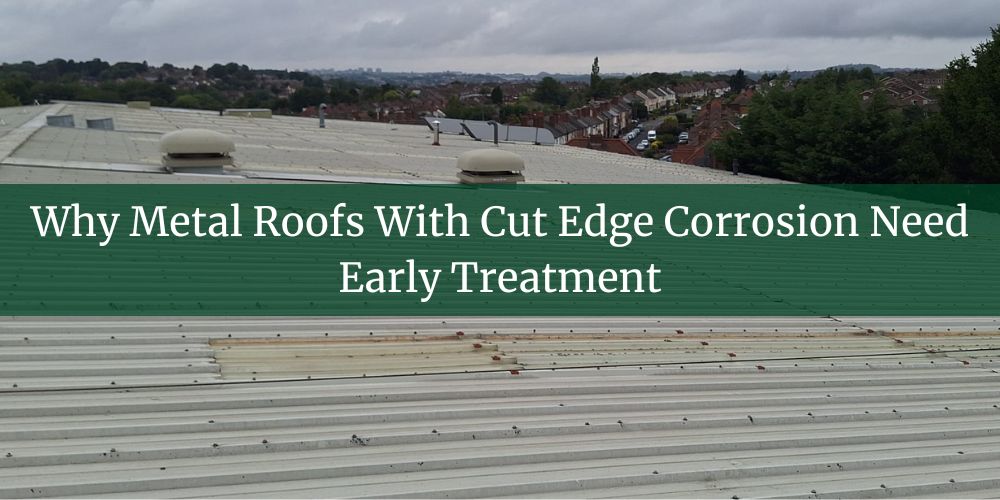
Early treatment of cut edge corrosion on metal roofs is essential to prevent structural damage and costly repairs due to the country’s often wet and windy climate. The British weather, characterised by frequent rain and humidity, accelerates the corrosion process at unprotected edges, leading to rust that can compromise the roof's integrity. By addressing cut edge corrosion proactively, building owners can extend the lifespan of their metal roofs and maintain the building's energy efficiency.
For UK commercial building owners and facility managers, understanding the importance of early treatment for cut edge corrosion is vital to avoiding expensive maintenance and enhancing roof durability. In this blog, we’ll delve deeper into why metal roofs in the UK are particularly vulnerable to corrosion, the benefits of timely interventions, and expert solutions to protect your investment.
What Is Cut Edge Corrosion and How Does It Affect Metal Roofs?
Cut edge corrosion is the deterioration of unprotected metal roofing edges, causing leaks and structural damage. This occurs when exposed edges of metal panels begin to rust due to moisture and oxygen exposure. Over time, this corrosion can significantly reduce the lifespan of the roof by weakening its structural integrity and leading to costly repairs.
Here are the key impacts and considerations related to cut edge corrosion:
- Structural Integrity: Compromised as corrosion weakens metal roofing edges.
- Aesthetic Degradation: Rust and discoloration visibly affect the roof's appearance.
- Leaking Issues: Water ingress due to corrosion can lead to interior damage.
- Maintenance Costs: Regular treatments required to prevent further corrosion.
- Lifespan Reduction: Accelerated wear reduces the roof's overall service life.
1. Structural Integrity: Compromised as corrosion weakens metal roofing edges.
Structural integrity refers to the strength and stability of a construction element. In the context of cut edge corrosion, when the metal edges of a roof begin to corrode, their ability to support the roof's structure potentially diminishes. This weakening can lead to structural failures if not addressed, particularly during adverse weather conditions when roofs are under more stress.
2. Aesthetic Degradation: Rust and discoloration visibly affect the roof's appearance.
Aesthetic degradation refers to the decline in visual appeal or cosmetic qualities of an object. For metal roofs, the presence of rust can tarnish the appearance of the structure, making it look aged or poorly maintained. Homeowners and businesses may find this undesired as it affects the curb appeal and perceived value of the property.
3. Leaking Issues: Water ingress due to corrosion can lead to interior damage.
Leaking issues describe the unwanted penetration of water through a building's exterior. Cut edge corrosion often leads to gaps where water can seep in, potentially causing considerable damage to interior spaces, including insulation, electrical systems, and interior finishes. Early detection and remediation are crucial to avoid expensive repairs.
4. Maintenance Costs: Regular treatments required to prevent further corrosion.
Maintenance costs refer to the expenses associated with keeping a property in good condition. To combat cut edge corrosion, regular inspection and reapplication of protective coatings or treatments are often necessary. These preventative measures can be costly over time but are essential for prolonging the roof's lifespan and avoiding more significant issues.
5. Lifespan Reduction: Accelerated wear reduces the roof's overall service life.
Lifespan reduction implies a decrease in the expected duration a product remains functional. With cut edge corrosion, the continual decay of the metal at its edges can drastically shorten the potential life of a roof. Investing in preventative maintenance and addressing corrosion early can help mitigate this effect, allowing the roof to achieve or even exceed its intended lifespan.
Have a question about an upcoming project?
Why Is Early Treatment Crucial for Metal Roof Longevity?
Early treatment of metal roofs is essential to prevent corrosion and extend their lifespan. Addressing potential issues at an early stage ensures the roof remains structurally sound and aesthetically pleasing for years to come. Proactive maintenance can significantly reduce repair costs and enhance the overall durability of the roofing system.
Here are five key reasons why early treatment is paramount for extending the life of metal roofs:
- Protection from Corrosion: Prevents rust and structural deterioration.
- Leak Prevention: Early treatment stops water penetration that leads to leaks.
- Cost Efficiency: Minimises long-term repair and replacement costs.
- Enhanced Roof Performance: Maintains optimal performance and energy efficiency.
- Aesthetic Preservation: Keeps roof looking new by preventing fading and staining.
1. Protection from Corrosion: Prevents rust and structural deterioration.
Corrosion protection involves treatments that shield metal roofs from humidity and pollutants. Early interventions create a barrier against rust, a common issue that weakens metal surfaces. This protection ensures the roof's structural integrity, enabling it to withstand environmental stressors. Ignoring corrosion can lead to significant damage, requiring expensive repairs or replacements. Proper anti-rust treatments preserve the roof's functionality and safety, reducing the need for major interventions in the future.
2. Leak Prevention: Early treatment stops water penetration that leads to leaks.
Leak prevention focuses on sealing any potential points of water ingress before they become problematic. Treating potential leak areas early on prevents water from seeping into the roofing system, causing damage to the underlying structures. This proactive method helps maintain a dry and secure internal environment. Unchecked water ingress can lead to mould growth and structural rot, both of which are costly to rectify. Early interventions ensure that water damage is nipped in the bud, preserving the roof's integrity and preventing costly moisture-related issues.
3. Cost Efficiency: Minimises long-term repair and replacement costs.
Cost efficiency in roofing involves smart investments in maintenance to reduce future expenses. Early treatment may incur initial costs, but it significantly reduces long-term spending on major repairs or full roof replacements. This proactive approach is financially beneficial over the roof's lifespan. Regular maintenance and treatment catch small issues before they escalate into expensive problems, offering an economically sound approach to roof management. Focusing on preventive measures can save substantial money and resources over time, ensuring that a metal roof remains both functional and cost-efficient.
4. Enhanced Roof Performance: Maintains optimal performance and energy efficiency.
Enhanced roof performance relates to the roof's ability to perform effectively without compromising function. Early treatment can uphold the roof's reflective properties, which contribute to regulating building temperatures. A well-maintained metal roof helps conserve energy by reducing heat absorption. Maintaining energy efficiency cuts down on cooling costs, creating a comfortable indoor environment while being environmentally responsible. An effective roof supports sustainability efforts by enhancing the building's overall energy performance.
5. Aesthetic Preservation: Keeps roof looking new by preventing fading and staining.
Aesthetic preservation ensures the roof retains its original appearance for longer. Treatment helps guard against the elements that cause fading, discolouration, and staining, preserving the metal's vibrant look. This maintenance enhances the property's overall visual appeal, reflecting its value and the care it receives. Keeping a roof aesthetically pleasing not only boosts curb appeal but also enhances property value. By addressing aesthetic concerns early, the roof and property make a positive impression, underpinning the significance of good maintenance practices.
How Can Commercial Property Owners Effectively Manage Cut Edge Corrosion?
Regular inspections and maintenance can significantly mitigate cut edge corrosion on commercial metal roofing. Cut edge corrosion occurs when the exposed edges of metal sheets begin to deteriorate, potentially leading to more significant roof damage if not managed effectively. To preserve the longevity of the roofing materials, addressing this issue promptly through various strategies is highly recommended.
Here are five essential steps commercial property owners can take to manage cut edge corrosion:
- Regular Inspections: Implement routine checks to identify early signs of cut edge corrosion.
- Protective Coatings: Apply protective coatings specifically designed to prevent edge corrosion.
- Professional Repairs: Engage roofing professionals to address any identified corrosion promptly.
- Quality Material Selection: Choose high-quality materials with better corrosion resistance initially.
- Prompt Water Drainage: Ensure effective water drainage to prevent moisture accumulation.
1. Regular Inspections: Implement routine checks to identify early signs of cut edge corrosion.
Regular inspections are systematic evaluations of the roofing condition to detect corrosion signs early. These checks are vital because they enable property owners to catch and rectify issues before they escalate. By routinely monitoring the roof, property owners can ensure that any signs of corrosion are addressed promptly, thereby extending the lifespan of the roofing system. Implementing a structured inspection routine can prevent costly repairs or replacements by identifying areas that may require attention. A dedicated maintenance schedule will also keep track of the roof's condition, providing comprehensive insights into potential vulnerabilities. Conducting these inspections, particularly after severe weather events, can further protect the integrity of the metal roof.
2. Protective Coatings: Apply protective coatings specifically designed to prevent edge corrosion.
Protective coatings are specialised applications used on metal surfaces to prevent deterioration. These coatings form a barrier that shields the metal from environmental factors that cause rust and corrosion. For commercial roofs, applying suitable coatings can help mitigate cut edge corrosion by preventing moisture from reaching and damaging the metal substrate. Opting for high-quality coatings ensures that the metal remains protected against varying weather conditions, which could otherwise accelerate the corrosion process. Regularly re-coating the edges as part of a maintenance strategy will maintain this barrier, helping preserve the structural integrity and appearance of the roof. By reducing the need for frequent repairs, protective coatings also contribute to long-term cost savings.
3. Professional Repairs: Engage roofing professionals to address any identified corrosion promptly.
Professional repairs involve hiring skilled roofing technicians to rectify damage effectively and safely. When cut edge corrosion is identified, employing experts can ensure that the problem is remedied correctly using the appropriate methods and materials. Roofing professionals have the knowledge and tools to manage corrosion, which can extend the roof's lifespan and prevent future issues. Immediate professional intervention prevents minor corrosion issues from becoming extensive problems that could compromise the roof's structural integrity. By relying on professional expertise, property owners can be assured of quality workmanship and long-lasting repair solutions. Additionally, professionals can provide valuable advice on preventive measures and maintenance routines to further protect the roof.
4. Quality Material Selection: Choose high-quality materials with better corrosion resistance initially.
Quality material selection refers to opting for roofing materials known for their durability and corrosion resistance. From the outset, selecting metal roofing materials that are pre-treated or naturally resistant to corrosion can significantly reduce the incidence of cut edge corrosion. Investing in high-quality materials ensures a longer lifespan and less frequent need for maintenance. Products that include protective features or come with specialised finishes tend to better withstand harsh environmental conditions. Evaluating the material options available and consulting with industry experts can provide informed choices that enhance the roofing system's resilience. This foresight reduces future repair costs and ensures a robust defence against potential corrosion threats.
5. Prompt Water Drainage: Ensure effective water drainage to prevent moisture accumulation.
Prompt water drainage involves employing systems and designs that efficiently remove water from roofing surfaces. Properly designed gutters and downpipes are essential to prevent pooling, which can accelerate edge corrosion by keeping areas perpetually damp. Ensuring efficient drainage is crucial in managing moisture levels on the roof, thereby reducing the risk of cut edge corrosion. Regular maintenance of the drainage system, such as clearing debris from gutters and ensuring there are no blockages, is vital for its effective function. By maintaining these systems, property owners safeguard against water damage and minimise the potential for corrosion. Enhancing drainage systems can be complemented with adequate roof slopes to facilitate immediate water runoff.
Addressing cut edge corrosion on metal roofs is a crucial step in preserving the longevity and structural integrity of your commercial roofing, especially in the variable climate conditions of the United Kingdom. Neglecting early treatment can lead to severe damage, impacting not only the aesthetic value but also the safety and efficiency of your building. Routine inspections and timely interventions can prevent the progression of corrosion, saving on costly repairs and ensuring your roof withstands the test of time. Engaging with experienced professionals who understand the unique challenges faced by commercial buildings in the UK is vital. By applying the right prevention and maintenance techniques, you can secure your investment and enjoy the benefits of a resilient roofing system.
If you require advice on treating cut edge corrosion or would like to arrange a consultation to discuss your commercial roofing needs, please contact us via our contact form. Our team is ready to provide expert guidance and solutions tailored to the UK market, ensuring your metal roof stays in excellent condition for years to come.