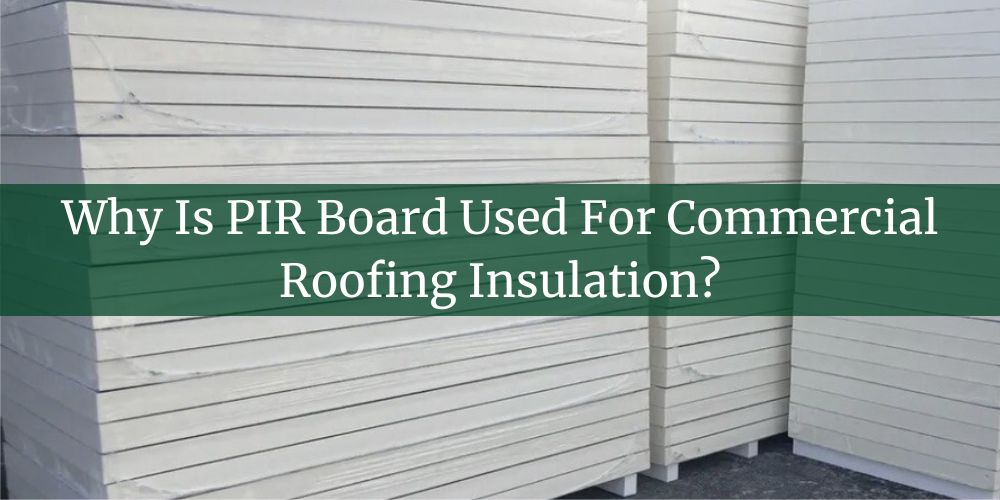
PIR board is a key insulation material in UK commercial roofing due to its excellent thermal performance, lightweight nature, and fire resistance, making it highly suitable for various climates and building regulations. As UK's construction industry places a growing emphasis on energy efficiency, the use of PIR boards helps meet stringent U-values and reduces heat loss in commercial properties. Their high compressive strength also supports additional loads on flat roofs, catering to the diverse architectural demands found throughout the UK. Amidst the temperate climate and varying weather conditions in the UK, the superior insulating properties of PIR boards significantly contribute to reducing heating costs, especially in commercial buildings striving for sustainability. Additionally, possible rebates and incentives for energy-efficient upgrades make PIR boards an attractive option for UK businesses aiming to lower their carbon footprint and operate more economically.
For commercial property owners and facility managers in the UK, understanding the benefits of PIR board insulation can lead to smarter decisions on roofing upgrades, ensuring both compliance and efficiency. In this blog, we will delve into the advantages of PIR boards, their applications in UK commercial real estate, and how they align with the nation’s evolving green building standards.
What Makes PIR Board an Essential Component in Commercial Roofing?
PIR board is crucial for commercial roofing due to its excellent thermal insulation properties. These boards not only help maintain a building's internal temperature, reducing energy costs but also enhance the overall durability and lifespan of the roofing system. They are widely chosen for their ability to provide a balance between performance and cost-efficiency, making them a staple in commercial roofing projects.
Here are some key reasons why PIR board is considered essential in commercial roofing:
- Thermal Insulation: Provides high thermal resistance for effective temperature control.
- Energy Efficiency: Reduces energy consumption by minimising heat transfer through the roof.
- Durability: Offers robust performance with a long lifespan under various weather conditions.
- Fire Resistance: Improves safety by providing excellent fire-resistant properties.
- Lightweight: Easy to handle and install without adding excessive structural weight.
1. Thermal Insulation: Provides high thermal resistance for effective temperature control.
Thermal insulation refers to the ability to prevent heat flow into or out of a building. In commercial roofing, PIR boards are valued for their superior thermal resistance, which helps maintain a consistent indoor climate. This feature is vital for reducing heating and cooling costs, making buildings more energy-efficient. PIR boards' closed-cell structure significantly reduces heat transfer, ensuring a stable internal environment. This not only enhances occupant comfort but also contributes to reduced energy consumption and lower operational costs for building owners.
2. Energy Efficiency: Reduces energy consumption by minimising heat transfer through the roof.
Energy efficiency involves using less energy to perform the same task, thus reducing energy waste. PIR boards contribute to energy efficiency in commercial roofs by significantly lowering thermal conductivity. This quality minimises energy loss, therefore, reducing the necessity for additional heating or cooling. By selecting PIR boards, businesses can achieve lower energy bills and reduce their carbon footprint, while also potentially qualifying for energy efficiency incentives or tax credits, thereby enhancing sustainable building practices.
3. Durability: Offers robust performance with a long lifespan under various weather conditions.
Durability is the ability of a material to withstand wear, pressure, or damage. PIR boards are known for their strength and longevity, making them a reliable choice for commercial roofing systems exposed to diverse environmental conditions. Their structural integrity remains intact over the years, providing sustained protection. These boards resist moisture and decay, preventing common roofing issues such as mould and deterioration, which can lead to costly repairs over time. Their durability ensures lower maintenance needs and long-term performance.
4. Fire Resistance: Improves safety by providing excellent fire-resistant properties.
Fire resistance is the capacity to withstand fire and continue to perform effectively. PIR boards enhance the safety of commercial roofs by providing significant fire resistance, slowing the spread of fire and giving occupants more time to evacuate. This characteristic is crucial for meeting building codes and safety regulations. By incorporating fire-resistant materials like PIR boards, commercial properties can mitigate risk, protect assets, and ensure compliance with stringent fire safety standards, providing peace of mind to building owners and occupants alike.
5. Lightweight: Easy to handle and install without adding excessive structural weight.
Being lightweight means having less mass, which makes handling easier and reduces structural load. PIR boards are lightweight, aiding in easier handling and faster installation, which can lower labour costs and reduce project timelines. Their reduced weight lessens the load on the building structure, avoiding the need for additional support enhancements. This property allows for greater design flexibility and easier compatibility with different roofing systems, making PIR an attractive option for a wide range of commercial roofing applications.
Have a question about an upcoming project?
How Does PIR Board Compare to Other Insulation Materials in the UK Market?
PIR board offers excellent thermal insulation properties and is highly efficient compared to other materials. Its low thermal conductivity and lightweight structure make it a preferred choice for many UK roofing applications. While it is often more expensive upfront, its long-term energy savings can offset the initial cost over time. PIR board is often compared with other insulation materials like mineral wool and EPS due to their common use in UK construction. Below are the key points in which PIR board distinguishes itself.
- Thermal Efficiency: Provides superior thermal resistance with low conductivity.
- Moisture Resistance: Resilient against water absorption and related issues.
- Lightweight Structure: Easier to handle and install due to its low weight.
- Fire Performance: Exhibits limited combustibility for enhanced safety.
- Cost Effectiveness: Balances initial cost with long-term energy savings.
1. Thermal Efficiency: Provides superior thermal resistance with low conductivity.
Thermal efficiency refers to the material's ability to prevent heat transfer. PIR board excels in this area, offering better insulation than most other materials available in the UK market. Its low thermal conductivity ensures a high level of insulation, making it ideal for energy-efficient buildings. This property can lead to reduced heating requirements and significant savings on energy bills over time.
2. Moisture Resistance: Resilient against water absorption and related issues.
Moisture resistance is the ability of a material to resist water penetration. PIR board's closed-cell structure provides excellent moisture resistance, unlike materials such as fibreglass. This quality makes it particularly advantageous in the UK's damp climate, as it minimises risks like mould growth and structural damage, ensuring longevity and reliability.
3. Lightweight Structure: Easier to handle and install due to its low weight.
A lightweight structure refers to the ease of handling and transportation. PIR board's lightweight nature facilitates quicker, easier installation compared to heavier materials like mineral wool. This can lead to reduced labour costs and shorter project timelines, impacting overall construction budgets positively.
4. Fire Performance: Exhibits limited combustibility for enhanced safety.
Fire performance is a material's ability to resist ignition and flames.PIR board offers improved fire performance, with characteristics that include limited combustibility and reduced smoke production. This makes it a safer option for buildings, contributing to overall fire safety regulations compliance in the UK construction industry.
5. Cost Effectiveness: Balances initial cost with long-term energy savings.
Cost-effectiveness means the balance between expense and utility over time. While initially more costly, PIR board's energy efficiency can result in significant savings over its lifespan. These savings stem from reduced energy bills and lower maintenance costs, making it a financially viable option for both residential and commercial projects in the UK.
What Are the Benefits of Using PIR Board for Insulating Commercial Roofs?
Polyisocyanurate (PIR) board offers excellent thermal insulation for commercial roofs, improving energy efficiency and enhancing building comfort. It provides a high thermal resistance value, reducing heat transfer and lowering energy costs. Using PIR board not only contributes to a sustainable building environment but also ensures long-lasting protection against external weather conditions.
Here are the key benefits of using PIR board for insulating commercial roofs:
- Exceptional thermal insulation: High R-value significantly cuts heat transfer and energy bills.
- Lightweight yet strong: Provides structural support without adding excessive weight to the roof.
- Moisture resistance: Effectively combats potential water ingress and prevents roof damage.
- Fire performance: Offers excellent fire-resistant properties, enhancing building safety standards.
- Eco-friendly option: Supports sustainable building practices with recyclable materials and reduced carbon footprint.
1. Exceptional thermal insulation: High R-value significantly cuts heat transfer and energy bills.
Thermal insulation refers to a material's ability to prevent heat loss or gain by providing a barrier between areas of different temperatures. PIR boards have a high R-value, which means they are highly effective at resisting heat flow, thus making them an ideal choice for insulating roofs. This significantly reduces the need for heating or cooling inside the building, leading to lower energy consumption and cost savings. The high thermal performance of PIR boards ensures the building remains comfortable in all seasons.
2. Lightweight yet strong: Provides structural support without adding excessive weight to the roof.
Lightweight construction materials are those that offer the necessary strength and durability while minimizing the load on structures. PIR boards are notably lightweight yet robust enough to provide the necessary support and functionality for commercial roofing systems. This characteristic is especially crucial for retrofitting older buildings or when designing new structures requiring efficient load-bearing capacities. Using PIR boards reduces the need for additional structural reinforcements, which can save on construction costs and time.
3. Moisture resistance: Effectively combats potential water ingress and prevents roof damage.
Moisture resistance indicates a material's capability to withstand water penetration and associated damage. PIR boards provide substantial moisture resistance, preventing water infiltration that can lead to structural damage and mould growth. This property is crucial for maintaining the integrity of commercial roofing systems, particularly in regions with high precipitation levels. Additionally, moisture-resistant properties help in prolonging the lifespan of the roofing material and supporting health-safe indoor environments.
4. Fire performance: Offers excellent fire-resistant properties, enhancing building safety standards.
Fire performance evaluates a material’s ability to resist ignition and slow down fire spread. PIR boards have excellent fire-resistant capabilities, which generate less smoke and delay the spread of fire. This enhances the overall safety of commercial properties by providing additional escape time and reducing the potential for fire-related damage. Building regulations often demand fire-resistant materials, and PIR boards meet stringent safety standards, making them a preferred choice for many projects.
5. Eco-friendly option: Supports sustainable building practices with recyclable materials and reduced carbon footprint.
Eco-friendly materials are those that have minimal adverse effects on the environment throughout their lifecycle. PIR boards contribute to greener building methods by being largely recyclable and having a lower environmental impact compared to alternative insulation materials. This aligns with increasing demands for sustainable construction practices and helps businesses meet environmental standards and strategies. Choosing eco-friendly PIR boards can enhance brand reputation and fulfil corporate social responsibility objectives while promoting long-term environmental benefits.
PIR board is an indispensable insulation material in UK commercial roofing, offering superior thermal efficiency and compatibility with the UK's varied climate conditions. By opting for PIR board, businesses can ensure enhanced energy efficiency, reduced environmental impact, and substantial long-term cost savings. Its versatility and durability make it a top choice for safeguarding commercial roofs against the challenges presented by the UK’s weather. As the demand for sustainable and efficient building practices grows, PIR board stands out as an essential component for modern commercial roofing across the United Kingdom.
If you would like more information about how PIR board can enhance your commercial roofing project or wish to discuss your specific insulation needs, please do not hesitate to reach out to us through our contact form. Our knowledgeable team is ready to assist you in making informed decisions for your UK's commercial roofing requirements.