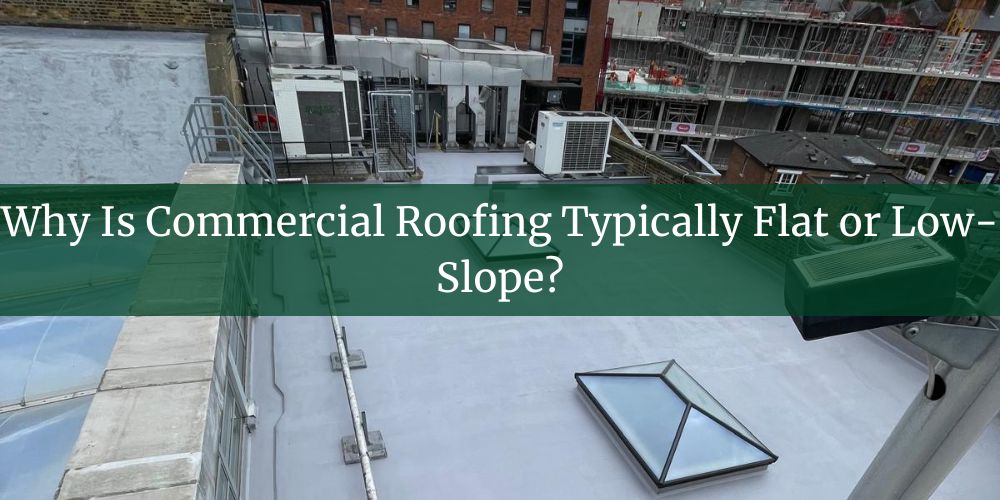
Commercial roofing in the UK is typically either flat or low-slope, allowing for efficient space use and drainage in urban environments. This design choice accommodates the UK's varied weather patterns, ensuring rainwater flows efficiently off the roof while maximizing available space for equipment installation or green roofing systems. The combination of flat and low-slope designs also facilitates accessibility for maintenance, a crucial factor given the UK's frequent precipitation and variable climate conditions. Flat and low-slope roofs are prevalent in UK commercial buildings due to their practicality and adaptability to urban spaces, offering economic advantages for business operations. Moreover, these types of roofs support photovoltaic panel installations and other sustainable initiatives, which are increasingly prominent in British commercial architecture.
For UK commercial property owners and facility managers, understanding the benefits and considerations of flat versus low-slope roofing is essential for optimizing building performance and maintenance. In this blog, we will explore the design elements, weather resilience, and sustainability advantages of commercial roofing in the United Kingdom, offering insights for effective management and investment.
What Are the Key Characteristics of Flat and Low-Slope Commercial Roofs?
Flat and low-slope commercial roofs are known for their simplicity, cost-effectiveness, and ease of maintenance. They provide a practical solution for large commercial buildings, allowing space for equipment installation without the need for additional structures. Despite these advantages, they require careful design to manage water drainage and insulation.
The key characteristics of flat and low-slope commercial roofs can be summarised as follows:
- Water Drainage: Designed with systems to prevent water pooling and leaks.
- Cost-Effectiveness: Typically less expensive in terms of materials and installation.
- Maintenance Ease: Simplifies the process of roof inspections and maintenance work.
- Space Utilisation: Provides a platform for HVAC units and solar panels.
- Energy Efficiency: Can incorporate reflective materials for reduced cooling costs.
1. Water Drainage: Designed with systems to prevent water pooling and leaks.
Water drainage in flat and low-slope roofs is critical to prevent water accumulation and subsequent roof damage. This characteristic ensures that any precipitation is efficiently channelled away from the roof surface, preventing water leakage issues. It is especially important in areas with significant rainfall, where water pooling can cause structural damage over time. Proper drainage is achieved through the inclusion of slight slopes, drainage channels, and scuppers. These elements are cleverly integrated into the roofing design to maintain the roof's integrity and prolong its lifespan. Special attention to drainage can prevent water-related complications and thus minimise maintenance needs.
2. Cost-Effectiveness: Typically less expensive in terms of materials and installation.
Flat and low-slope roofs are generally more cost-effective compared to steep-sloped alternatives. The simplicity of their design reduces the amount of materials required, translating into lower initial expenses. Moreover, the installation is less complex, often involving fewer labour hours, leading to additional savings. This cost advantage makes them particularly appealing for large commercial buildings, where budget considerations are crucial. However, despite their affordability, they should not compromise on quality or essential features like drainage.
3. Maintenance Ease: Simplifies the process of roof inspections and maintenance work.
Low-slope and flat roofs are easier to access, simplifying regular inspections and repairs. Accessible design facilitates routine inspections, which are essential for identifying potential issues before they escalate into significant problems. Easy access also reduces the time and complexity involved in maintenance and repairs, lowering overall maintenance costs. Regular maintenance can prevent minor issues from developing into costly repairs, enhancing the lifespan of the roofing system. Property managers should establish a regular inspection schedule to ensure these roofs remain in optimal condition.
4. Space Utilisation: Provides a platform for HVAC units and solar panels.
Flat roofs offer valuable space for installing essential equipment and utilising renewable energy solutions. The design allows for the placement of HVAC units, potentially freeing up space inside the building for other uses. Additionally, solar panels can be installed without causing shading issues that could hinder energy efficiency. This attribute enhances the practicality and functionality of commercial buildings, offering opportunities for energy savings and improved building management. Utilisation of roof space can contribute to a more sustainable and efficient building environment.
5. Energy Efficiency: Can incorporate reflective materials for reduced cooling costs.
Energy efficiency is a significant feature of flat and low-slope roofs when integrated with reflective materials. Reflective materials minimise heat absorption by reflecting sunlight, leading to lower cooling expenses and improved interior comfort, particularly in hot climates. By reducing energy consumption, businesses can enjoy financial savings and contribute to environmental goals. Employing energy-efficient solutions makes a significant difference in the building's overall energy strategy. Selecting appropriate roofing materials that enhance reflective capabilities can yield long-term cost benefits while supporting sustainability initiatives.
Have a question about an upcoming project?
Why Are Flat or Low-Slope Roofs Preferred in UK Commercial Construction?
Flat or low-slope roofs are favoured in the UK for their cost-effectiveness and efficient space utilisation. These roof types are easier to construct, maintain, and offer additional usable space which can accommodate equipment or even serve as a rooftop terrace. Their design also facilitates effective drainage, critical in the UK's rainy climate. The reasons for the preference of flat or low-slope roofs in UK commercial construction are outlined below:
- Cost-Effectiveness: Cheaper to construct and maintain compared to pitched roofs.
- Space Utilisation: Maximises usable space for equipment and rooftop installations.
- Ease of Access: Simplifies maintenance and repair operations for building management.
- Modern Aesthetic: Contributes to a sleek, contemporary building design.
- Drainage Efficiency: Designed to manage rainwater effectively, crucial for the UK weather.
1. Cost-Effectiveness: Cheaper to construct and maintain compared to pitched roofs.
Flat or low-slope roofs require fewer materials and simpler design compared to pitched roofs. In the UK, this efficiency translates to significant cost savings in both initial construction and ongoing maintenance. For commercial properties, this not only reduces expenditure but also maximises the return on investment over time. These cost benefits are particularly appealing in urban areas where building budgets are often constrained by high land costs and operational expenses.
2. Space Utilisation: Maximises usable space for equipment and rooftop installations.
Flat roofs provide a horizontal surface that can support various installations. This advantage allows building owners to use the roof space for air conditioning units, solar panels, or even green spaces. In the UK's dense urban landscapes, where space is limited, this maximisation can lead to enhanced functionality and potential revenue streams. Such usability is particularly beneficial for buildings with significant space requirements, such as hotels or hospitals.
3. Ease of Access: Simplifies maintenance and repair operations for building management.
Flat roofs are generally easier to access than pitched roofs, facilitating maintenance. In the UK, where regular roof inspections are needed due to frequent rain, having easier access can lead to quicker and less costly repairs. This ease of access is a critical consideration for commercial buildings that require regular inspections for safety and compliance. Furthermore, simpler access allows for efficient installation and maintenance of technical equipment like HVAC systems.
4. Modern Aesthetic: Contributes to a sleek, contemporary building design.
Flat roofs offer a modern and streamlined look that aligns with contemporary design trends. The visual appeal of flat or low-slope roofs can attract businesses seeking a modern and professional appearance. In the UK's competitive commercial market, this aesthetic can be a distinctive feature, enhancing the property's marketability and tenant appeal. This design style integrates well with minimalist architectural themes often seen in urban developments.
5. Drainage Efficiency: Designed to manage rainwater effectively, crucial for the UK weather.
Flat and low-slope roofs incorporate efficient drainage systems to handle rainwater. Given the UK's notorious rainfall, proper drainage is vital to prevent water pooling and subsequent damage. These roofs are equipped with internal drains, scuppers, or custom-designed slopes to facilitate water runoff. Effective drainage solutions ensure the longevity and reliability of the roofing system, reducing the likelihood of leaks or structural issues over time.
What Materials and Techniques Are Commonly Used for These Roof Types?
The most common materials for commercial roofing include EPDM, TPO, PVC, and metal sheeting. Each material offers unique benefits suited to specific needs such as weather resistance, energy efficiency, and durability. Understanding these materials and their application techniques is crucial for selecting the suitable roof type for your commercial building. Below is a list of important aspects when considering materials and techniques for commercial roofs:
- Durability: Ensures long-lasting performance under various weather conditions.
- Weather Resistance: Provides protection against elements like rain, wind, and UV exposure.
- Energy Efficiency: Reflective materials that help to reduce energy consumption.
- Installation Techniques: Proper methods that enhance longevity and performance.
- Cost-Effectiveness: Balances installation expenses with long-term maintenance and repair costs.
1. Durability: Ensures long-lasting performance under various weather conditions.
Durability refers to the ability of roofing materials to withstand physical and environmental stress without degradation. Materials like EPDM and metal sheeting are selected for their resilience and extended lifespan. This characteristic is pivotal in commercial roofing, where replacement and major repairs can be costly and disruptive. Choosing durable materials can significantly impact the long-term costs associated with roof maintenance and repair, providing value over time.
2. Weather Resistance: Provides protection against elements like rain, wind, and UV exposure.
Weather resistance describes a roof's capability to endure adverse weather conditions without structural compromise. Commercial roofing must guard against heavy rainfall and winds to prevent leaks and damage. Materials like TPO and PVC are valued for their ability to resist UV rays and inclement weather, maintaining the integrity and function of the roofing system throughout various seasonal changes.
3. Energy Efficiency: Reflective materials that help to reduce energy consumption.
Energy efficiency in roofing involves using materials that minimise heat absorption and promote thermal regulation. This is crucial for reducing the energy requirements for cooling a commercial building during hot periods. Utilising reflective surfaces on roofs can result in significant energy savings, thereby lowering utility bills and contributing to environmental sustainability by reducing a building's carbon footprint.
4. Installation Techniques: Proper methods that enhance longevity and performance.
Proper installation techniques involve employing the correct methods to ensure optimal performance of roofing materials. Skilled installation prevents problems like leaks, dislodgements, and material failures. Choosing experienced professionals and adhering to industry standards can maximise the benefits of chosen materials, making sure the commercial roof serves its intended purpose without premature failure or excessive maintenance needs.
5. Cost-Effectiveness: Balances installation expenses with long-term maintenance and repair costs.
Cost-effectiveness evaluates the initial investment against long-term expenses of maintenance and potential repair costs. This involves considering lifetime performance and potential savings from energy efficiency and durability. Making an informed decision about materials and installation can save money in the long run, ensuring the roofing system offers efficiency and reliability without frequent costly interventions.
Understanding the nuances of commercial roofing in the United Kingdom, particularly the prevalence of flat or low-slope designs, is essential for any business owner or property manager. These types of roofs are well-suited to the UK's varied climate and urban landscapes, offering practical and economical solutions for commercial buildings. Proper installation and regular maintenance are key to ensuring longevity and performance, ultimately safeguarding your investment. The expertise available within the UK's commercial roofing sector means you can rest assured that your roofing needs will be met with professionalism and efficiency.
If you are seeking further information about commercial roofing solutions or want a customised consultation to meet your specific requirements, please use our contact form to get in touch. Our experienced team is ready to provide you with expert advice and assistance tailored to the unique demands of commercial roofing in the United Kingdom.