
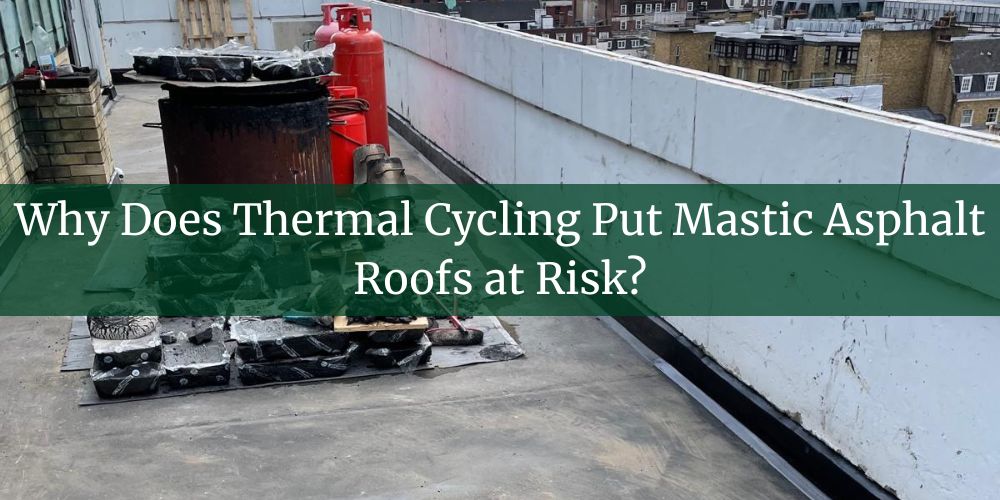
Thermal cycling is a significant risk for ageing mastic asphalt roofs in the UK, as temperature fluctuations lead to cracking and compromised structural integrity. The frequent changes between warm and cold temperatures, especially during the UK's unpredictable weather patterns, cause the asphalt material to expand and contract, which results in surface cracking. These cracks can lead to moisture infiltration, further exacerbating roof deterioration and potentially causing leaks and interior damage to commercial buildings.
For commercial building owners and facility managers in the UK, understanding the impact of thermal cycling on asphalt roofs is essential to prevent costly damage and maintain roof longevity. In this blog, we’ll explore the mechanics of thermal cycling, its effects on asphalt roofs, and effective strategies for mitigating risks in the UK’s variable climate.
What is Thermal Cycling and How Does it Affect Asphalt Roofs?
Thermal cycling refers to the expansion and contraction of roofing materials due to temperature fluctuations. This phenomenon can lead to cracks and deterioration in asphalt roofs if not properly managed. Over time, these changes can compromise the integrity of the roofing system, potentially leading to leaks and other damage. Understanding how thermal cycling impacts asphalt roofs is crucial for maintaining their longevity and performance.
- Material Expansion: Asphalt expands with heat, causing potential deformation and stresses.
- Contraction Effects: Cooling leads to contraction, creating tension and potential cracking on the surface.
- Structural Integrity: Repeated cycles can weaken roof structure, causing severe damage over time.
- Water Infiltration: Cracks allow water to seep in, resulting in leaks and water damage.
- Maintenance Requirements: Regular inspections are vital for early detection and prevention of thermal-related issues.
1. Material Expansion: Asphalt expands with heat, causing potential deformation and stresses.
When temperatures rise, asphalt materials expand due to thermal energy absorption. This expansion can cause distortion, increasing the internal stress of the roofing materials. Without adequate flexibility or space to expand, these materials may deform or buckle. Proper installation and material choice can help mitigate these effects, ensuring that the natural expansion is accommodated without compromising the roof’s structural integrity.
2. Contraction Effects: Cooling leads to contraction, creating tension and potential cracking on the surface.
Cooling temperatures result in the contraction of asphalt roofing materials. This contraction generates tension within the asphalt, which can lead to surface cracks if not properly managed. Regular temperature fluctuations exacerbate this effect, stressing the material. Choosing asphalt mixes that are more resistant to cycle-induced tension can reduce cracking risks and improve longevity.
3. Structural Integrity: Repeated cycles can weaken roof structure, causing severe damage over time.
Repeated thermal cycles impact the overall structural integrity of asphalt roofs. Over time, the cumulative effect of expansion and contraction can compromise underlying support structures. This weakening can lead to more frequent repairs or even the need for complete roof replacement. Engineering advancements in polymers and asphalt blends aim to bolster resilience against such cyclic stresses.
4. Water Infiltration: Cracks allow water to seep in, resulting in leaks and water damage.
Water infiltration is a major concern resulting from cracks due to thermal cycling. Even minor cracks can allow moisture to penetrate, leading to leaks and furthering structural decay. Once water breaches the roofing material, it can also contribute to mould growth and insulation damage. Timely crack sealing and waterproofing treatments are essential in preventing costly water damage.
5. Maintenance Requirements: Regular inspections are vital for early detection and prevention of thermal-related issues.
Maintaining asphalt roofs requires routine inspections to manage thermal cycling impacts. Early detection of wear and damage can prevent more severe issues from developing due to unresolved thermal stress. Regular checks help identify and address problems at an initial stage. Proactive maintenance strategies, like timely repairs and using protective coatings, can significantly extend the lifespan of asphalt roofing systems.
Have a question about an upcoming project?
Why is Cracking from Thermal Cycling More Prevalent in Aging Roofs?
Cracking from thermal cycling is more prevalent in aging roofs due to material degradation over time. As roofing materials age, they lose flexibility and resilience, making them more susceptible to damage from temperature fluctuations. This process leads to increased occurrences of cracking, compromising the roof's structural integrity. Understanding the reasons behind the increased prevalence of cracking in aging roofs can help owners take preventive measures to mitigate damage:
- Material Degradation: Natural wear reduces roof material flexibility and durability.
- Heat Expansion and Contraction: Frequent temperature changes cause stress and cracking.
- Bond Weakening: Aging adhesives and seals deteriorate under thermal cycling.
- Moisture Intrusion: Water damage worsens with temperature-induced material shifts.
- Maintenance Neglect: Older roofs often lack updates to withstand thermal changes.
1. Material Degradation: Natural wear reduces roof material flexibility and durability.
Material degradation refers to the gradual decline in the quality and efficacy of roofing materials over time. As roofs age, materials like asphalt, rubber, and tar become brittle and lose their initial properties. This decreased flexibility makes the roof more prone to cracking under temperature changes. The older the materials, the less they can accommodate the thermal stresses of expanding and contracting, which exacerbates the risk of cracking and other structural issues.
2. Heat Expansion and Contraction: Frequent temperature changes cause stress and cracking.
Heat expansion and contraction refer to the process where materials expand in the heat and contract in the cold. Roofs experience considerable temperature shifts between day and night or across seasons, leading to expansion and contraction cycles. Over time, this process introduces small fissures and cracks in the material. In an aging roof, these cracks become more pronounced due to the reduced elasticity of the materials, resulting in more frequent and severe cracking events.
3. Bond Weakening: Aging adhesives and seals deteriorate under thermal cycling.
Bond weakening describes the breakdown of adhesives and sealants used in roofing materials over time. As roofs undergo thermal cycling, the adhesive bonds that hold materials together can weaken, leading to gaps and eventual cracking. Older rooftops have been exposed to more cycles, making them more vulnerable to bond failure. This loss of integrity allows cracks to form, further compromising the roof and requiring more maintenance and repairs.
4. Moisture Intrusion: Water damage worsens with temperature-induced material shifts.
Moisture intrusion is the process by which water infiltrates roofing materials, causing harm. When temperature changes create small cracks, moisture can penetrate these openings, exacerbating the damage with each thermal cycle. Aging roofs, with their compromised seals, are particularly susceptible to moisture-related issues. This continuous exposure to water, in combination with thermal stresses, accelerates the degradation process, leading to more extensive cracking over time.
5. Maintenance Neglect: Older roofs often lack updates to withstand thermal changes.
Maintenance neglect refers to the failure to regularly inspect, repair, and upgrade roofing systems. Aging roofs often miss out on recent technological advancements that can improve thermal resistance. Without regular maintenance, aging materials remain susceptible to the detrimental effects of thermal cycling. Preventative upkeep and timely interventions can significantly reduce the progression of thermal-related cracking, prolonging a roof's lifespan.
How Can Commercial Property Owners Mitigate the Risks of Thermal Cycling?
Commercial property owners can mitigate the risks of thermal cycling by selecting appropriate roofing materials and ensuring proper installation. Thermal cycling, where temperature fluctuations cause expansion and contraction of roofing materials, can lead to damage over time. It is essential to use materials designed to handle these changes and to employ installation techniques that accommodate expansion and contraction without causing structural issues.
To effectively mitigate the risks of thermal cycling, property owners should consider the following strategies:
- Choose Roofing Materials: Select materials with high expansion tolerance for temperature fluctuations.
- Insulation Installation: Use insulation to minimise temperature variations affecting the roof.
- Regular Maintenance: Conduct regular inspections and maintenance to identify and rectify potential issues.
- Thermal Imaging: Use thermal imaging to detect stress areas on the roofing system.
- Professional Installation: Ensure the roof is installed by experienced professionals familiar with local climate conditions.
1. Choose Roofing Materials: Select materials with high expansion tolerance for temperature fluctuations.
Choosing the right roofing material is crucial in mitigating thermal cycling risks. Materials with high expansion and contraction tolerance can withstand temperature changes without damage or failure. Products like thermoplastic polyolefin (TPO) and ethylene propylene diene monomer (EPDM) are known for their resilience to thermal stress. Opting for high-quality materials, although potentially more expensive initially, can save significant repair or replacement costs in the long run.
2. Insulation Installation: Use insulation to minimise temperature variations affecting the roof.
Proper insulation helps in maintaining a stable roof temperature despite external changes. Effective insulation minimises the effects of thermal cycling by reducing the extent of temperature-induced expansion and contraction. Additionally, good insulation not only protects the roofing materials but also provides enhanced energy efficiency for the property, potentially lowering heating and cooling costs.
3. Regular Maintenance: Conduct regular inspections and maintenance to identify and rectify potential issues.
Routine maintenance is vital for preventing thermal cycling damage. Regular inspections can identify vulnerable areas or minor damages that need addressing before they escalate. Proactive maintenance includes checking seals, flashing, and other components that may be affected by thermal movement, ensuring the roofing system remains robust and durable.
4. Thermal Imaging: Use thermal imaging to detect stress areas on the roofing system.
Thermal imaging is a diagnostic tool that can identify stress points caused by temperature variations. By detecting temperature anomalies or weaknesses, property owners can target specific areas for repair or reinforcement. This technique allows for non-invasive inspections, providing a comprehensive assessment of the roof’s integrity, especially useful in identifying sub-surface issues invisible to the naked eye.
5. Professional Installation: Ensure the roof is installed by experienced professionals familiar with local climate conditions.
Professional installation is paramount for counteracting the effects of thermal cycling. Experienced roofing contractors understand the materials suitable for specific climates and the best practices that allow for material movement. A professionally installed roof ensures that all materials and techniques used are optimised for longevity and durability against local environmental stresses, reducing the likelihood of failure over time.
The threat of cracking from thermal cycling poses a significant risk to aging asphalt roofs, particularly within the varied climates of the United Kingdom. As the temperature fluctuations continue to challenge the durability of roofing materials, it becomes increasingly crucial for commercial property owners to be proactive in maintenance and assessment. By understanding the unique challenges posed by the UK’s climate, businesses can better safeguard their investments and maintain structural integrity. In the realm of commercial roofing, choosing high-quality materials and implementing regular inspections will not only extend the lifespan of the roof but also prevent costly repairs and downtimes. Ensuring that your commercial roofing system is capable of withstanding these thermal stresses is a vital step in maintaining a resilient and reliable infrastructure.
If you would like expert advice on managing thermal cycling impacts on your commercial roof or require an assessment of your current roofing system, please get in touch with us using our contact form. Our team of specialists in the United Kingdom is ready to assist you with tailored solutions to protect and enhance the longevity of your commercial roofs.