
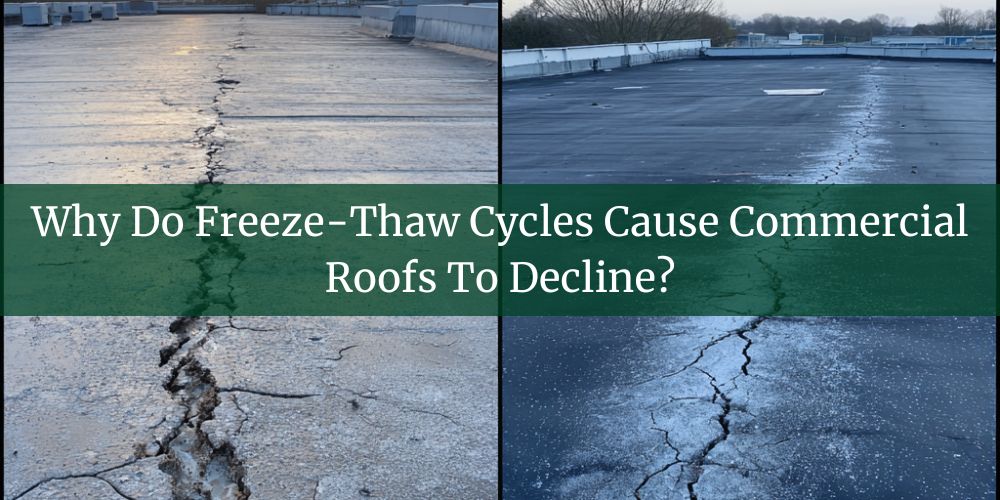
Freeze-thaw cycles significantly contribute to commercial roof deterioration by causing repeated expansion and contraction of roofing materials, leading to cracks and leaks. These cycles are particularly prevalent in the UK's temperate climate, where fluctuating temperatures during the autumn and winter months exacerbate the problem. As temperatures drop, any moisture present in roof materials freezes and expands, breaking the material apart, and as it thaws, water seeps into these newly formed gaps, causing further damage.
With the UK's unpredictable weather patterns, commercial building owners and facility managers often face frequent freeze-thaw cycles, especially during the winter. This incessant cycle of freezing and thawing stresses roofing materials and can lead to serious structural vulnerabilities if not properly managed. By understanding the effects of freeze-thaw cycles, property managers can make informed decisions on maintenance and protective measures to prolong the life of their roofing systems.
For commercial building operators in the United Kingdom, understanding the impact of freeze-thaw cycles is vital to maintaining roof integrity and avoiding unnecessary repair costs. In this blog, we’ll explore how these cycles affect different roofing materials, the potential risks involved, and provide expert advice on preventative strategies to safeguard commercial roofs against these weather-induced challenges.
What Are Freeze-Thaw Cycles and How Do They Affect Commercial Roofs?
Freeze-thaw cycles occur when water penetrates a surface, freezes, expands, and then thaws, leading to damage. This cycle can significantly affect commercial roofs by causing cracks, leaks, and structural weaknesses. Over time, repeated cycles exacerbate these issues, potentially resulting in costly repairs or replacements. Understanding the impact of freeze-thaw cycles can help property managers better prepare for maintenance needs. Below is an ordered list elaborating on the effects of freeze-thaw cycles on commercial roofing.
- Cracks Formation: Expansion of water during freezing causes cracks in roofing materials.
- Leak Development: Cracks and gaps allow water to penetrate the roof structure.
- Structural Damage: Repeated cycles weaken the integrity of the roofing structure.
- Insulation Degradation: Moisture ingress reduces the thermal efficiency of insulation materials.
- Repair Costs: Increased maintenance and repair expenses due to cycle-induced damage.
1. Cracks Formation: Expansion of water during freezing causes cracks in roofing materials.
A freeze-thaw cycle is when water that has soaked into a material freezes and expands, causing the material to crack or fracture. This is particularly damaging to roofing materials such as shingles or tiles. For commercial roofs, even small cracks can let in water, creating a pathway for leaks and exacerbating the damage over time. The key issue with cracks from freeze-thaw cycles is their cumulative effect; each freeze-thaw episode can make existing cracks wider. Cracks compromise the roof's protective barrier, leading to more serious structural issues if not promptly addressed.
2. Leak Development: Cracks and gaps allow water to penetrate the roof structure.
Leaks occur when water finds a way through the roofing material into the underlying structure. During freeze-thaw cycles, the expansion of water in cracks or seams creates gaps. Once water penetrates these areas and refreezes, it widens existing gaps and opens new pathways for leaks. Leak development is not only damaging but can lead to interior water damage, affecting the functionality and safety of commercial spaces. Timely detection and sealing of leaks are crucial to mitigating further structural compromise.
3. Structural Damage: Repeated cycles weaken the integrity of the roofing structure.
Structural damage refers to the weakening or breaking down of the material forming the roof's support. The continual cycle of freezing and thawing stresses materials such as wood, tar, and composite products, causing them to become brittle and lose strength over time. In commercial roofing, this can mean sagging roofs, weakened joints, and potential roof collapse in severe cases. As structures weaken, they become more susceptible to further weather damage and require more intensive maintenance.
4. Insulation Degradation: Moisture ingress reduces the thermal efficiency of insulation materials.
Insulation degradation occurs when insulation materials lose their effectiveness to maintain desired temperature levels. Moisture that enters through cracks and leaks can saturate insulation, causing it to lose its thermal properties. In a freeze-thaw scenario, saturated insulation can freeze, compromising its structure and efficiency. This process decreases energy efficiency, leading to higher heating costs and potentially compromising indoor climate control. Regularly checking insulation can help identify and rectify moisture ingress issues early.
5. Repair Costs: Increased maintenance and repair expenses due to cycle-induced damage.
Repair costs refer to the financial expenditure required to address damage inflicted by freeze-thaw cycles. These costs can accumulate rapidly, as ongoing freeze-thaw exposure exacerbates existing issues and creates new ones. Commercial roofing repairs can range from simple patch jobs to full replacement in extreme cases. Minimising repair costs involves proactive inspections and maintenance to catch issues early. Maintaining a comprehensive maintenance schedule can help identify potential problem areas and reduce the long-term financial impact.
Have a question about an upcoming project?
Why Are Commercial Roofs Particularly Vulnerable to Freeze-Thaw Damage?
Commercial roofs are particularly vulnerable to freeze-thaw damage due to their exposure to temperature fluctuations and water. Temperature changes from below to above freezing can cause water trapped in and on the roof to freeze and expand, leading to material stresses and potential damage over time. These effects can weaken the structural integrity of the roof, causing leaks and eventual failure if not properly managed. Understanding the specific factors that contribute to freeze-thaw damage in commercial roofs is essential for prevention and maintenance. Below is a list that outlines key reasons for this vulnerability:
- Water Retention: Flat roofs often retain more water, increasing freeze-thaw risks.
- Material Expansion: Temperature changes create stress from repeated expansion and contraction of roofing materials.
- Surface Area Exposure: Large roof surfaces are more exposed to environmental elements, exacerbating damage.
- Poor Drainage: Inefficient drainage systems result in standing water that can freeze and cause damage.
- Age and Wear: Older roofs are more susceptible to freeze-thaw cycles due to material degradation.
1. Water Retention: Flat roofs often retain more water, increasing freeze-thaw risks.
Water retention refers to the accumulation of water on a roof surface without adequate drainage. This is particularly problematic for flat commercial roofs, which often have minimal pitch. When temperatures fluctuate, retained water can freeze, leading to cracking and weakening of the roof materials. Preventing water retention through proper design and drainage maintenance is crucial for minimising freeze-thaw damage.
2. Material Expansion: Temperature changes create stress from repeated expansion and contraction of roofing materials.
Material expansion is the tendency of roofing materials to change in size when exposed to temperature variations. As temperatures shift, materials repeatedly expand and contract, which can lead to fatigue and eventual failure. Understanding the thermal properties of roofing materials can help in selecting those with greater resistance to such stress, thereby reducing the risk of damage.
3. Surface Area Exposure: Large roof surfaces are more exposed to environmental elements, exacerbating damage.
Surface area exposure means the extent to which a roof is subjected to weather conditions. Larger roofs have more surface area exposed to the elements, increasing the likelihood of damage from freeze-thaw cycles. Protective measures, such as coatings and regular inspections, can help mitigate these effects by enhancing the roof's resilience to environmental stressors.
4. Poor Drainage: Inefficient drainage systems result in standing water that can freeze and cause damage.
Poor drainage refers to inadequate systems to channel water off a roof. Standing water is more likely to freeze, causing expansion and potential damage to roofing membranes and structures. Ensuring that drainage systems are efficient and well-maintained is essential for preventing freeze-thaw damage and prolonging roof life.
5. Age and Wear: Older roofs are more susceptible to freeze-thaw cycles due to material degradation.
Age and wear describe the gradual weakening of roofing materials over time. Older roofs often suffer more from freeze-thaw cycles as their materials have deteriorated and become less flexible. Regular inspections and timely repairs can help manage the effects of ageing and provide targeted interventions for vulnerabilities caused by freeze-thaw damage.
What Preventative Measures Can Be Taken to Mitigate Freeze-Thaw Damage on Commercial Roofs?
To mitigate freeze-thaw damage, it is crucial to implement proper drainage systems, use durable roofing materials, and schedule regular maintenance. Freeze-thaw cycles can lead to significant structural damage, affecting the roof's integrity and lifespan. By adopting these preventative measures, commercial properties can minimise potential damage and associated repair costs.
Here are five key measures to consider:
- Install Proper Drainage Systems: Prevents water accumulation that exacerbates freeze-thaw cycles.
- Select Durable Roofing Materials: Choose materials resilient to temperature fluctuations.
- Ensure Adequate Insulation: Maintains stable roof temperature and reduces freeze-thaw impact.
- Perform Regular Roof Maintenance: Identify and address potential issues before weather extremes hit.
- Use Waterproof Membranes: Acts as barrier to water infiltration during freeze-thaw events.
1. Install Proper Drainage Systems: Prevents water accumulation that exacerbates freeze-thaw cycles.
Proper drainage systems are essential to avoid water accumulation on roofs. Accumulated water can freeze during cold spells, leading to expansion and subsequent roof damage. By ensuring efficient drainage, the risk of freeze-thaw cycles causing structural harm is reduced, preserving the roof's integrity.
2. Select Durable Roofing Materials: Choose materials resilient to temperature fluctuations.
Durable roofing materials are specifically designed to withstand extreme temperature changes. Materials such as metal and modified bitumen offer resilience against the stress of freeze-thaw cycles. Utilising these materials can greatly enhance a roof's lifespan and reduce maintenance costs.
3. Ensure Adequate Insulation: Maintains stable roof temperature and reduces freeze-thaw impact.
Adequate insulation helps in maintaining a consistent temperature across the roof's surface. This stability minimises the thermal shock caused by freeze-thaw cycles. Proper insulation not only protects the roof structure but also enhances energy efficiency within the building.
4. Perform Regular Roof Maintenance: Identify and address potential issues before weather extremes hit.
Regular maintenance involves inspecting the roof for signs of wear and potential damage. Early identification of problem areas allows for timely repairs before freeze-thaw conditions exacerbate these issues. Consistent maintenance can prevent small issues from evolving into significant structural problems, saving costs in the long run.
5. Use Waterproof Membranes: Acts as barrier to water infiltration during freeze-thaw events.
Waterproof membranes serve as an essential barrier against water infiltration. By preventing water from penetrating the roof's surface, these membranes reduce the risk of damage during freeze-thaw cycles. Implementing waterproof membranes is a proactive measure to sustain the roof’s durability and effectiveness against weather-induced stresses.
Understanding the impact of freeze-thaw cycles on commercial roofing is crucial for maintaining the integrity and longevity of your building in the United Kingdom's variable climate. These cycles can cause significant deterioration, leading to structural issues, membrane damage, and water infiltration, all of which can escalate maintenance costs and disrupt business operations. By adopting proactive strategies like regular inspections, timely repairs, and the use of durable materials, businesses can mitigate the risks associated with temperature fluctuations. Choosing a resilient roofing system, specifically designed to withstand the UK's unique environmental conditions, is essential for ensuring long-term performance and protecting your commercial investment. At Commercial Roofing United Kingdom, we specialise in offering bespoke solutions that not only address the challenges posed by freeze-thaw cycles but also enhance the overall efficiency and durability of your commercial roofing system.
If you require further information about safeguarding your commercial roof against freeze-thaw damage or wish to discuss your project's specific needs, please get in touch with us through our contact form. Our expert team is ready to provide you with tailored solutions and assist you in maintaining the durability and performance of your roofing system.