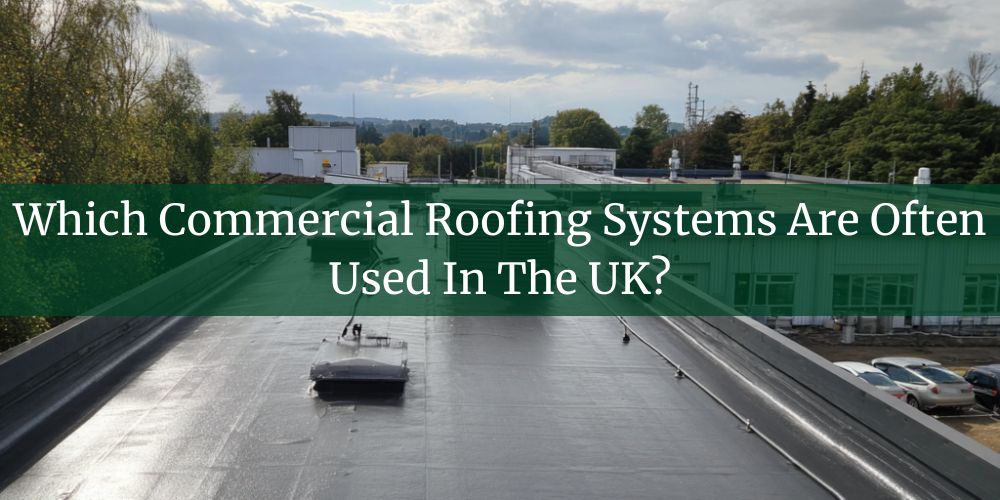
The commercial roofing systems often use in the UK are single-ply membranes (PVC, TPO, EPDM), built-up roofing (BUR), metal roofing and liquid applied roofing. The choice often depends on factors such as building type, budget, and climate conditions. Flat roofing systems are widely used for commercial construction in the UK due to their cost-effectiveness and efficient use of space, ideal for housing HVAC systems or solar panels. Single-ply membranes offer flexibility and ease of installation, while built-up roofing provides multiple layers of protection, and metal roofs are valued for their durability and low maintenance.
Understanding the different roofing systems available can help UK business owners and facility managers make informed decisions tailored to their specific needs and local environmental conditions. In this blog, we will delve into the pros and cons of each system, consider their applications in UK's diverse climate, and offer guidance on selecting the right roof for commercial properties.
What Are the Different Types of Commercial Roofing Systems in the UK?
Commercial roofing systems in the UK include options such as EPDM, TPO, and metal roofing. These systems are chosen based on factors like durability, weather resistance, and energy efficiency. Understanding the different types of roofing systems is crucial for selecting the most suitable option for specific commercial needs.
Here is a list of the most important types of commercial roofing systems available in the UK:
- Liquid Roofing: Provides a seamless, waterproof barrier that extends roof life and reduces maintenance needs.
- EPDM Roofing: Known for long-lasting durability and resistance to weather conditions.
- TPO Single Ply Roofing: Offers energy efficiency and is environmentally friendly.
- Metal Roofing: Provides strength and robustness for various weather conditions.
- Built-Up Roofing: Features multiple layers for excellent protection against harsh elements.
1. Liquid Roofing: Provides a seamless, waterproof barrier that extends roof life and reduces maintenance needs.
They protect against water ingress and reduce maintenance costs, supporting long-term building performance. In the UK, where heavy rainfall can quickly compromise older roofing systems, liquid roofing provides robust protection with minimal disruption during application. Beyond durability, liquid roofing can improve energy efficiency by reflecting solar heat and maintaining a stable building temperature. It also adapts easily to complex roof shapes and details, ensuring complete coverage without seams or joints.
2. EPDM Roofing: Known for long-lasting durability and resistance to weather conditions.
EPDM (Ethylene Propylene Diene Monomer) is a type of synthetic rubber roofing membrane. The UK’s diverse weather patterns, make EPDM a popular choice due to its exceptional resilience against weather extremes. It can withstand UV rays, hail, and storms, ensuring long-term protection. Additionally, its ease of installation and low maintenance needs make EPDM a cost-effective choice for many commercial buildings across the UK. Its flexibility allows it to move with the building, preventing cracks and leaks over time.
3. TPO Single Ply Roofing: Offers energy efficiency and is environmentally friendly.
TPO (Thermoplastic Olefin) single-ply roofing is a single-ply roofing membrane known for its reflective properties. This feature makes TPO a popular choice in the UK, where energy savings are important due to fluctuating temperatures. TPO reflects UV rays, reducing cooling costs for commercial spaces. Moreover, TPO is environmentally friendly as it is 100% recyclable, aligning with increasing demands for sustainable construction solutions. It also offers resistance to chemicals and punctures, adding to its durability.
4. Metal Roofing: Provides strength and robustness for various weather conditions.
Metal roofing involves using materials such as steel or aluminium panels for roofing purposes. Its durability and ability to withstand strong winds and heavy rain make it suitable for UK weather. Metal roofs are also fire-resistant and low maintenance, making them appealing for commercial roof installations. The longevity of metal roofing can reach up to 50 years or more, providing excellent value over time. With modern coatings, metal roofs can also be made energy-efficient and less noisy during rainfall.
5. Built-Up Roofing: Features multiple layers for excellent protection against harsh elements.
Built-up roofing (BUR) is a traditional system consisting of multiple layers of bitumen alternated with reinforcing fabrics. This multi-layer design creates a highly durable and weather-resistant surface, ideal for the demanding UK climate. BUR systems have been used for over a century, evidencing their reliability and effectiveness. Due to their thickness, BUR systems provide good insulation, contributing to energy savings. However, they can be heavy, so structural support considerations must be factored into the installation.
Have a question about an upcoming project?
Which Factors Should Be Considered When Choosing a Commercial Roofing System?
Key factors include durability, weather resistance, energy efficiency, cost, and maintenance requirements. Understanding these factors helps ensure the selected roofing system meets the building's specific needs and performs well under expected conditions. Each factor plays a crucial role in impacting the overall performance, lifespan, and cost-effectiveness of the roofing system. Below is an ordered list of important factors to consider when choosing a commercial roofing system:
- Durability: Ensures long-lasting performance and reduces repair and replacement frequency.
- Weather Resistance: Protects against environmental elements like wind, rain, and temperature extremes.
- Energy Efficiency: Reflective materials reduce cooling costs and improve building sustainability.
- Cost: Balances initial investment and long-term savings on maintenance and energy.
- Maintenance Requirements: Determines frequency and complexity of required upkeep and repairs.
1. Durability: Ensures long-lasting performance and reduces repair and replacement frequency.
Durability refers to the ability of a roofing system to withstand wear and tear over time. Choosing a durable roofing system helps minimise the need for frequent repairs, lowering long-term costs. It ensures the roof can perform effectively across its expected lifespan without significant degradation or failure. Durability depends on material quality and design, with advanced materials often offering enhanced longevity. Ensuring a durable commercial roof is particularly important for buildings where disruptions for repairs can be costly.
2. Weather Resistance: Protects against environmental elements like wind, rain, and temperature extremes.
Weather resistance is the ability of a roofing system to endure and protect against various weather conditions. Selecting a weather-resistant roof protects the building’s integrity and contents by withstanding local environmental challenges. Such resilience is critical in areas prone to severe weather patterns. Considerations should include resistance to high winds, heavy rain, UV exposure, and temperature fluctuations. Specific systems like TPO or PVC roofing are often chosen for their superior weather-resistant properties.
3. Energy Efficiency: Reflective materials reduce cooling costs and improve building sustainability.
Energy efficiency in roofing involves using materials that help regulate building temperature and reduce energy usage. An energy-efficient roof can significantly cut down on a building's energy costs, particularly cooling expenses. Reflective roofing materials can prevent heat absorption, keeping buildings cooler. Energy-efficient roofing solutions contribute to environmental sustainability and may be incentivised through green building certifications or tax benefits, making them an attractive choice for commercial properties.
4. Cost: Balances initial investment and long-term savings on maintenance and energy.
Cost encompasses the initial price of the roof system and the projected savings over time. While upfront costs can be significant, it's vital to consider the long-term savings potential of reduced maintenance and energy expenditures. A more expensive system initially may offer better overall value. Commercial entities must weigh budget constraints against potential returns on investment through enhanced efficiency and durability. Option analysis often includes lifecycle costing to evaluate total expenditure versus longevity benefits.
5. Maintenance Requirements: Determines frequency and complexity of required upkeep and repairs.
Maintenance requirements involve regular inspections, cleaning, and repairs necessary to keep the roof in optimal condition. Understanding maintenance needs is essential to ensure the chosen roofing system fits with operational capabilities and financial planning. Systems with minimal maintenance needs can offer cost savings over time. Regular maintenance can prolong the life of the roof, maintaining its performance and preventing expensive emergency repairs. Clear maintenance pathways also ensure the roof meets warranty requirements and remains compliant with insurance conditions.
What Are the Advantages and Disadvantages of Each Commercial Roofing Type?
Commercial roofing types each have distinct strengths and weaknesses, affecting performance, cost, and lifespan. When choosing a roofing system, it's essential to consider factors such as weather conditions, energy efficiency, and maintenance needs. Understanding these attributes helps in making informed decisions about which roofing system aligns best with a building's needs.
Here’s how different commercial roofing types compare in terms of their primary advantages and disadvantages:
- Durability: High resistance to weather conditions and physical impacts.
- Energy Efficiency: Minimises energy costs through improved thermal performance.
- Cost-effectiveness: Balances installation costs with long-term savings.
- Maintenance Needs: Varies based on material and environmental exposure.
- Installation Complexity: Impacts labour costs and project timelines.
1. Durability: High resistance to weather conditions and physical impacts.
Durability refers to a roofing system's ability to withstand adverse conditions over time without significant wear. For commercial buildings, durability is crucial as it ensures long-term protection against environmental and physical damage. Different roofing types, like metal or TPO (thermoplastic olefin), offer varying degrees of durability depending on materials used. Choosing a highly durable roofing material can reduce repair costs and frequent replacements, thereby providing a more stable investment, particularly in areas prone to severe weather or pollution.
2. Energy Efficiency: Minimises energy costs through improved thermal performance.
Energy efficiency in roofing involves the ability to regulate temperatures within a building by reflecting or absorbing heat. TPO and PVC (polyvinyl chloride) roofs excel in energy efficiency due to their reflective surfaces that deflect UV rays. This efficiency results in reduced cooling costs, making them attractive options for eco-friendly and cost-conscious businesses. In addition to lowering energy bills, investing in energy-efficient roofing can enhance indoor comfort while contributing to a reduction in overall environmental impact.
3. Cost-effectiveness: Balances installation costs with long-term savings.
Cost-effectiveness measures how the initial expense aligns with future savings related to maintenance and energy use. While some roofs like EPDM (ethylene propylene diene terpolymer) are cheap upfront, others like green roofs may have higher installation costs but yield more savings over time. Evaluating cost-effectiveness helps businesses choose a roofing solution that fits their financial strategy. This balance ensures that even if a roof demands more investment initially, it should ideally cover its cost over its lifespan through savings and durability.
4. Maintenance Needs: Varies based on material and environmental exposure.
Maintenance needs refer to the required care and interventions necessary to ensure a roof's optimal performance. Roofs made of materials such as metal demand less frequent attention compared to membrane roofs, which may require periodic inspections and repairs. Considering maintenance requirements can inform decisions regarding potential long-term responsibilities and expenses. Reducing maintenance efforts not only limits costs but also lessens operational disruptions, keeping building usage smooth and consistent.
5. Installation Complexity: Impacts labour costs and project timelines.
Installation complexity denotes how challenging it is to fit and secure a roofing system onto a building. A more complex installation may elevate labour costs and extend the time needed to complete the project. For example, built-up roofs (BUR) often require multiple layers and professional handling. Understanding installation demands aids in preparing accurate budgeting and scheduling, ensuring that business operations adapt seamlessly to construction activities.
Understanding the various roofing systems used in UK commercial construction is crucial for ensuring the longevity and efficiency of your building's roof. From flat roofs designed for optimal drainage to metal systems that offer enhanced durability, selecting the right commercial roofing system can significantly impact maintenance costs and energy efficiency. The unique climate conditions of the United Kingdom play a vital role in shaping the requirements and performance of these roofing systems. At Commercial Roofing Contractors, we are dedicated to guiding you in choosing the best roofing solution tailored to the specific needs of your business, ensuring robust protection and sustainability.
If you would like more information on commercial roofing systems or require expert advice for your project, please do not hesitate to get in touch with us through our contact form. Our knowledgeable team at Commercial Roofing Contractors is ready to assist you in achieving the perfect roofing solution for your commercial property.