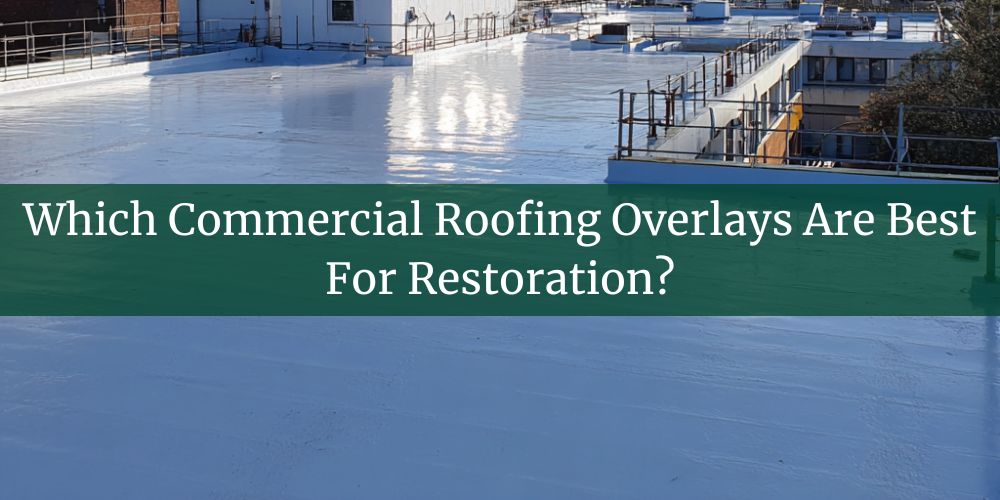
Liquid-applied coatings like polyurethane (PU), polymethyl methacrylate (PMMA), acrylic, and silicone offer effective commercial roof overlay solutions for durable flat roof restoration in the UK. They provide excellent waterproofing and extend the lifespan of commercial roofs. The UK's variable weather conditions, with frequent rain and temperature changes, make these coatings ideal for protecting flat roofs from water ingress and thermal contraction. Silicone coatings are particularly valued for their excellent UV resistance and water repellence, while acrylic and PU coatings offer durability and flexibility, making them versatile choices for various commercial roofing needs.
For commercial building owners and facility managers in the UK, choosing the right coating can significantly impact the longevity and performance of a flat roof, safeguarding against water damage and improving energy efficiency. In this blog, we’ll explore the benefits and applications of different liquid-applied coatings in detail, helping you make informed decisions to enhance your flat roof's durability in the UK's challenging climate.
What Are Liquid-Applied Coatings and How Do They Benefit Commercial Roofing?
Liquid-applied coatings are fluid materials applied to roofs, forming a protective membrane when cured. These coatings offer several benefits for commercial roofing, including enhanced waterproofing, durability, and energy efficiency. By providing a seamless barrier, they protect against leaks and reduce maintenance costs, thus maximising the longevity and performance of the roofing system. Here are the primary ways liquid-applied coatings benefit commercial roofing:
- Seamless Waterproof Barrier: Prevents water infiltration and enhances roof protection.
- UV Resistance: Shields the roof from harmful ultraviolet rays, preventing damage.
- Energy Efficiency: Reflects solar heat, reducing building cooling costs.
- Extended Roof Life: Increases the longevity of existing roofing systems.
- Cost-Effective: Reduces maintenance and repair expenses over time.
1. Seamless Waterproof Barrier: Prevents water infiltration and enhances roof protection.
A seamless waterproof barrier is a continuous layer without gaps or joints. Liquid-applied coatings form such a barrier, effectively sealing the roof to prevent water entry. This protection is crucial for avoiding leaks and the associated water damage within commercial facilities. By ensuring a robust waterproof layer, these coatings significantly minimise the risk of water-related issues, offering peace of mind and reducing potential repair costs.
2. UV Resistance: Shields the roof from harmful ultraviolet rays, preventing damage.
UV resistance refers to a material's ability to withstand degradation from ultraviolet radiation. Liquid-applied coatings offer excellent UV protection, maintaining the roof's integrity by preventing cracking and deterioration caused by sun exposure. This resistance is crucial in extending the serviceable life of the roof. By reflecting UV rays, these coatings not only preserve roof health but also help in maintaining a stable indoor temperature, positively impacting the building's energy efficiency.
3. Energy Efficiency: Reflects solar heat, reducing building cooling costs.
Energy efficiency involves reducing the amount of energy required to maintain comfort levels within a building. Coatings designed with reflective properties lower the absorption of solar heat by the roof surface. This thermal reflection contributes to lower air conditioning needs, resulting in reduced energy expenses. Increased energy efficiency not only cuts costs but also supports environmental sustainability efforts by decreasing the building's carbon footprint.
4. Extended Roof Life: Increases the longevity of existing roofing systems.
Extended roof life refers to prolonging the functional period of a roofing system. Liquid-applied coatings provide additional layers of protection, shielding the roof from various environmental strains. This buffer against wear and tear significantly lengthens the lifespan of the roofing material itself. By expanding roof longevity, businesses can defer replacement costs and allocate capital to other essential improvements or investments.
5. Cost-Effective: Reduces maintenance and repair expenses over time.
Being cost-effective means achieving economic savings by minimising spending over time. The application of liquid coatings diminishes the frequency of necessary repairs due to their protective qualities. This translates to lower maintenance costs, supporting a company's financial efficiency in the long run. Despite the upfront application cost, the savings accrued from reduced maintenance and repairs make liquid-applied coatings a wise investment for commercial properties seeking both security and financial prudence.
Have a question about an upcoming project?
Which Liquid-Applied Coating Options Are Available for Flat Roof Restoration?
Several liquid-applied coatings, including silicone, acrylic, and polyurethane, are available for flat roof restoration. These coatings provide excellent protection, extend the roof's lifespan, and enhance energy efficiency. Each type of coating offers unique benefits suited to specific needs and environmental conditions. Below is a list of the top options for liquid-applied coatings for flat roof restoration:
- Silicone Coatings: Excellent UV resistance and longevity.
- Acrylic Coatings: Offers good reflectivity and rain protection.
- Polyurethane Coatings: Highly durable against harsh weather.
- Bituminous Coatings: Provides strong waterproofing capabilities.
- Polyurea Coatings: Fast curing time for quick application.
1. Silicone Coatings: Excellent UV resistance and longevity.
Silicone coatings are widely recognised for their superior ability to resist UV rays. This feature makes them an excellent option for flat roofs that face prolonged sun exposure. In addition to their UV resistance, silicone coatings adhere well to a variety of surfaces, reducing the need for a primer. This not only lowers installation costs but also speeds up the application process, making it a practical choice for many projects.
2. Acrylic Coatings: Offers good reflectivity and rain protection.
Acrylic coatings are known for their high reflectivity, which reduces heat accumulation. This characteristic makes them effective in maintaining cooler building interiors and lowering energy costs. Acrylic coatings are also easy to clean, ensuring that dust and debris do not hinder their reflective properties. They require regular maintenance but are generally considered a cost-effective solution for enhancing roof performance and durability.
3. Polyurethane Coatings: Highly durable against harsh weather.
Polyurethane coatings offer excellent chemical and abrasion resistance. This durability makes them a top choice for roofs subjected to extreme weather conditions. Their flexibility allows them to expand and contract with the underlying material, preventing cracks and leaks. However, polyurethane coatings often require professional application and may need a specialised primer, making them a more premium investment.
4. Bituminous Coatings: Provides strong waterproofing capabilities.
Bituminous coatings create a robust waterproof barrier when applied to flat roofs. They are especially effective in preventing water penetration and related damage. These coatings are typically more affordable and readily available, making them a popular choice for large-scale projects. Additionally, bituminous coatings are usually compatible with a wide range of roofing materials, adding to their versatility and appeal.
5. Polyurea Coatings: Fast curing time for quick application.
Polyurea coatings are known for their incredibly fast curing times, often drying within seconds. This rapid drying attribute is ideal for urgent projects where time is a constraint. Extremely adaptable, they offer strong resistance to mechanical damage and thermal expansion. However, due to their specialised application process, they are often implemented by trained professionals to ensure optimal performance.
How Do You Choose the Right Liquid-Applied Coating for Your Commercial Roof?
Choosing the right liquid-applied coating requires evaluating the roof's current condition and environmental challenges. Understanding the specific needs of your commercial building and the climatic conditions it faces is essential. This ensures optimal protection and longevity of the roof. Consider the following factors to select the most suitable liquid-applied coating for your commercial roof:
- Weather Resistance: Protects against varying environmental conditions like rain, wind, and UV exposure.
- Roof Condition Compatibility: Suitable for the existing materials and current state of the roof.
- Energy Efficiency: Reflects sunlight to maintain building temperature and lower energy costs.
- Application Ease: Allows for straightforward application without extensive preparatory work.
- Manufacturers' Warranty: Offers assurance and protection against potential coating failures.
1. Weather Resistance: Protects against varying environmental conditions like rain, wind, and UV exposure.
Weather resistance refers to a coating's ability to withstand environmental factors. Selecting a coating with superior weather resistance is crucial to protect against climatic challenges. This is especially significant in areas prone to heavy rain, winds, or intense sunlight. A high-quality weather-resistant coating ensures prolonged protection, reducing maintenance frequency and prolonging the roof's life span by shielding it from detrimental weather effects.
2. Roof Condition Compatibility: Suitable for the existing materials and current state of the roof.
Roof condition compatibility involves ensuring the coating adheres to and enhances the existing material. It's vital to evaluate the present state and material of your roof to choose an appropriate coating. A misfit could compromise the integrity of both the roof and the coating. Ensuring compatibility maximises performance, reinforces weak points, and safeguards against potential deterioration or coating failures, ultimately fortifying the roof structure.
3. Energy Efficiency: Reflects sunlight to maintain building temperature and lower energy costs.
Energy efficiency in coatings pertains to their ability to reflect solar rays and reduce heat absorption. Applying an energy-efficient coating can significantly contribute to lowering cooling costs and managing indoor temperatures effectively. This becomes a key factor in areas with high sunlight exposure. A reflective coating provides dual benefits: enhancing comfort for occupants while simultaneously delivering cost savings on energy bills, hence making it an eco-friendly choice.
4. Application Ease: Allows for straightforward application without extensive preparatory work.
Application ease refers to the simplicity and minimal preparatory requirements for applying the coating. Easy-to-apply coatings save time and labour costs and are advantageous for buildings that need swift refurbishment. Ensuring the application process aligns with your team's capabilities is essential. Coatings that are user-friendly minimise disruptions to building operations, offering an efficient solution to maintaining roof integrity without extensive downtime.
5. Manufacturers' Warranty: Offers assurance and protection against potential coating failures.
A manufacturers' warranty is a guarantee provided by the producers against defects in the coating. Choosing a coating with a robust warranty offers security and peace of mind, indicating the manufacturer's confidence in the product's durability. It acts as a safety net if the product underperforms. A comprehensive warranty often reflects high-quality standards, protecting your investment and ensuring support in addressing coating issues, ultimately securing the roof's long-term performance.
Opting for overlay options such as liquid-applied coatings can significantly enhance the durability and longevity of commercial flat roofs in the United Kingdom. Whether you choose polyurethane, PMMA, acrylic, or silicone, these coatings provide a robust barrier against the challenging British weather, offering excellent protection and reducing the need for frequent repairs. By staying informed and selecting the appropriate coating system for your building's specific needs, you can maximise energy efficiency, improve weather resistance, and ultimately, protect your investment.
If you would like to learn more about how liquid-applied coatings can benefit your commercial roofing system in the United Kingdom, or if you need a professional consultation or quote, please do not hesitate to reach out to us through our contact form. Our expert team is ready to guide you in making the best choice for your roofing needs.