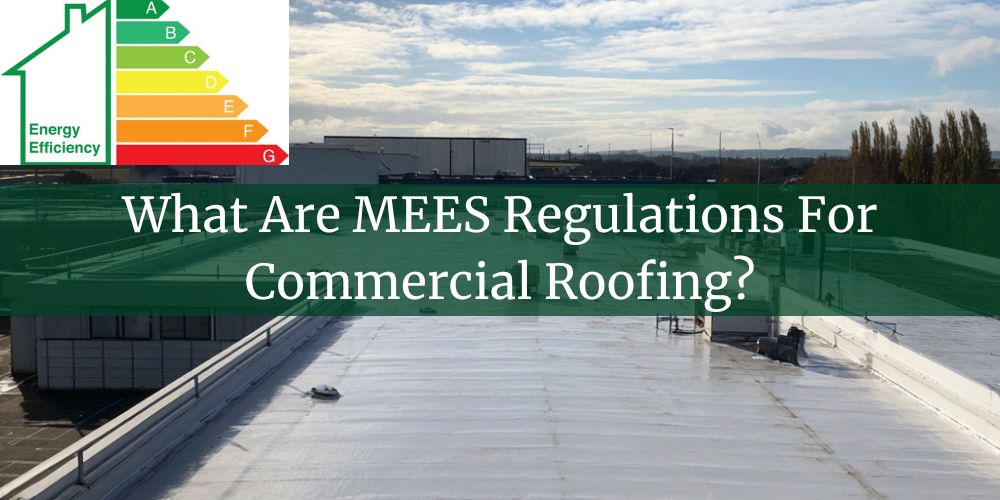
The MEES Regulations in the United Kingdom require commercial roofing to meet minimum energy efficiency standards, primarily focusing on thermal insulation performance to reduce energy consumption and carbon emissions. These regulations aim to enhance the energy efficiency of commercial properties, thereby lowering operational costs and contributing to environmental sustainability goals. Compliance with MEES is essential for property owners looking to lease commercial spaces, as higher energy efficiency ratings can improve a building's marketability and tenant appeal.
For commercial property owners and facility managers in the UK, understanding the MEES requirements is vital for regulatory compliance and optimizing building performance. In this blog, we’ll dive into the specifics of the MEES Regulations, explore their impacts on commercial roofing, and provide insights on achieving and maintaining compliance in the UK market.
What Are MEES Regulations and How Do They Impact Commercial Roofing?
The Minimum Energy Efficiency Standards (MEES) Regulations set the minimum energy efficiency level for private rented properties, including commercial buildings, in the UK. These regulations necessitate that commercial properties have an Energy Performance Certificate (EPC) rating of at least 'E' to be let or sold. For commercial roofing, this means implementing energy-efficient roofing solutions to meet these standards.
Here are five key ways in which MEES regulations impact commercial roofing:
- Energy Efficiency: Regulations necessitate improved thermal performance and insulation in roofing systems.
- EPC Compliance: Roofs must contribute to a minimum ‘E’ EPC rating for tenancy agreements.
- Cost Implications: Non-compliance can lead to financial penalties and additional upgrade costs.
- Material Selection: Encourages the use of sustainable and energy-efficient roofing materials.
- Environmental Impact: Promotes reduced carbon footprint through enhanced energy performance.
1. Energy Efficiency: Regulations necessitate improved thermal performance and insulation in roofing systems.
Energy efficiency refers to the roofing system's ability to minimize energy loss, thus conserving energy. The MEES regulations compel landlords to enhance the energy efficiency of their commercial roofs. Improved thermal performance and insulation help lower heating costs and increase building efficiency. Complying with MEES involves adopting better-insulated materials and possibly retrofitting existing roofs to achieve higher energy conservation. This often emphasises the use of technologies, such as cool roofs, which reduce heat absorption.
2. EPC Compliance: Roofs must contribute to a minimum ‘E’ EPC rating for tenancy agreements.
An Energy Performance Certificate (EPC) assesses the energy efficiency of a building. MEES regulations require that any commercial property leased has a minimum EPC rating of ‘E’. Roofing plays a crucial role in meeting this standard by contributing significantly to a building’s thermal performance. To ensure compliance, landlords need to invest in energy-efficient roofing practices which include selecting high-performance roofing materials and potentially incorporating renewable energy sources like solar panels as part of their roofing solution.
3. Cost Implications: Non-compliance can lead to financial penalties and additional upgrade costs.
Cost implications refer to the financial impact associated with not meeting MEES requirements. Failing to comply with MEES regulations can result in significant fines and legal repercussions for property owners. Proactively upgrading roofing systems to enhance energy performance can mitigate these risks. While the initial investment in upgrading to energy-efficient roofing may be substantial, it often leads to long-term savings in energy costs and avoidance of penalties.
4. Material Selection: Encourages the use of sustainable and energy-efficient roofing materials.
Material selection is the process of choosing the most suitable materials for specific roofing requirements. MEES regulations drive the selection of materials that enhance the energy efficiency of a building. This means opting for high-performance, sustainable roofing options that offer good insulation and reflectivity. Sustainable materials such as insulated metal panels, reflective membranes, and green roofing solutions not only aid in compliance but also contribute to the overall sustainability goals of a building.
5. Environmental Impact: Promotes reduced carbon footprint through enhanced energy performance.
Environmental impact relates to the effect of the roofing materials and designs on the environment. The MEES regulations underpin a broader commitment to reducing the carbon footprint of commercial properties. Enhanced energy-efficient roofing directly supports this goal by decreasing greenhouse gas emissions. Improvements in roofing energy performance can lead to decreased reliance on fossil fuels for heating and cooling, thus contributing positively to environmental conservation efforts.
Have a question about an upcoming project?
How Can Commercial Roofing Be Improved to Meet MEES Standards?
Improving commercial roofing to meet MEES standards involves enhancing energy efficiency and sustainability. The Minimum Energy Efficiency Standards (MEES) require commercial buildings to achieve a certain level of energy performance, meaning roofs must minimise energy loss and potentially integrate renewable energy sources. Strategic improvements can help buildings comply with regulations and reduce environmental impact. Here are several ways commercial roofing can be improved to meet MEES standards:
- Thermal Insulation: Upgrade insulation to minimise energy loss through the roof structure.
- Reflective Roofing: Use materials that reflect more sunlight to reduce cooling demand.
- Solar Panels: Integrate solar panels for renewable energy generation on-site.
- Green Roofs: Plant vegetation on rooftops to improve insulation and reduce heat absorption.
- Regular Maintenance: Conduct routine inspections to ensure the roof remains energy-efficient and durable.
1. Thermal Insulation: Upgrade insulation to minimise energy loss through the roof structure.
Thermal insulation involves adding layers to the roof that reduce heat transfer between the inside and outside. Enhancing insulation is vital to comply with MEES, as it significantly lowers heating and cooling needs. By using advanced materials, buildings can maintain stable internal temperatures, thereby reducing energy consumption and associated costs.
2. Reflective Roofing: Use materials that reflect more sunlight to reduce cooling demand.
Reflective roofing materials are designed to bounce back a significant portion of solar energy. This is crucial for MEES compliance as it helps maintain a building’s internal temperature, thus lowering air conditioning usage. Additionally, reflective roofs can extend the life span of the roofing material by reducing thermal stress.
3. Solar Panels: Integrate solar panels for renewable energy generation on-site.
Solar panels convert sunlight into electricity, providing a renewable energy source for buildings. Incorporating solar energy solutions can help meet MEES by reducing dependency on non-renewable energy sources. This not only aids in compliance but also can lower long-term operational costs and carbon footprint.
4. Green Roofs: Plant vegetation on rooftops to improve insulation and reduce heat absorption.
Green roofs consist of soil and vegetation layers that enhance roof performance by providing natural insulation. They are a practical measure for MEES compliance, as they contribute to better thermal regulation and stormwater management. Additionally, they offer aesthetic and environmental benefits, such as improved air quality and biodiversity.
5. Regular Maintenance: Conduct routine inspections to ensure the roof remains energy-efficient and durable.
Regular maintenance involves checking and repairing roof elements to sustain performance and prevent energy loss. Routine inspections are essential under MEES to identify any areas of weakness or damage that could compromise energy efficiency. Proper maintenance can prolong roof life, ensuring sustained compliance with energy standards and reducing unexpected repair costs.
What Are the Consequences of Non-Compliance with MEES for Commercial Property Owners?
Non-compliance with MEES can result in financial penalties and reduced property valuation. The Minimum Energy Efficiency Standards (MEES) require commercial properties to have a minimum EPC rating of 'E'. Property owners failing to meet these standards face not only immediate fines but also long-term devaluation of their assets. The consequences of non-compliance with MEES are multifaceted, impacting both the financial and operational aspects of property management.
- Financial Penalties: Non-compliance can attract heavy fines up to £150,000.
- Property Devaluation: Properties with poor energy ratings may lose market value.
- Lease Restrictions: Non-compliant properties cannot be legally rented out.
- Tenant Disputes: Higher energy bills may lead to tenant dissatisfaction and conflicts.
- Reputation Damage: Failure to comply can harm a company's reputation among investors and tenants.
1. Financial Penalties: Non-compliance can attract heavy fines up to £150,000.
Financial penalties refer to monetary fines imposed for not adhering to regulations. In the context of MEES, hefty fines serve as a deterrent to ensure compliance. Property owners must therefore regularly assess and upgrade their properties' energy efficiency to avoid such steep penalties. Aside from the immediate financial hit, these fines can affect a company's cash flow and long-term profitability, making adherence to MEES a crucial aspect of property management strategy.
2. Property Devaluation: Properties with poor energy ratings may lose market value.
Property devaluation is a decrease in a property's market value. Non-compliant properties typically have lower demand, resulting in diminished market value. Property owners stand to lose significant capital value as MEES non-compliance impacts investor interest and buyer attraction. Ensuring compliance not only avoids negative financial outcomes but can also enhance property appeal and future resale value, highlighting the intertwined nature of energy compliance and property worth.
3. Lease Restrictions: Non-compliant properties cannot be legally rented out.
Lease restrictions are limitations on a property's ability to be legally leased. Under MEES, properties that do not achieve the required energy ratings are prohibited from being leased, directly affecting rental income. This can effectively render a property financially nonviable until necessary energy improvements are made. To maintain a consistent revenue stream, property owners should proactively ensure compliance, thus preventing interruptions in tenancy agreements and safeguarding their financial interests.
4. Tenant Disputes: Higher energy bills may lead to tenant dissatisfaction and conflicts.
Tenant disputes arise from disagreements between landlords and tenants, often regarding contractual obligations. Poor energy efficiency can cause higher operational costs for tenants, leading to dissatisfaction and potential conflicts. This is particularly relevant in non-compliant buildings where energy bills are unpredictable and excessive. Providing compliant, energy-efficient properties helps to ensure tenant satisfaction, fostering positive long-term relationships and reducing management headaches associated with tenant turnover and dispute resolution.
5. Reputation Damage: Failure to comply can harm a company's reputation among investors and tenants.
Reputation damage refers to the loss of trust and credibility in the eyes of stakeholders. Non-compliance with MEES can send negative signals to the market, affecting a company's reputation among potential investors and tenants. A company facing public penalties may struggle to attract investment, given the scrutiny and negative perception. Maintaining energy compliance sends a positive message of responsible management, thereby enhancing a company's reputation and corporate image, which are crucial for long-term success and competitive advantage.
MEES regulations play a pivotal role in ensuring that commercial roofing across the United Kingdom meets minimum efficiency standards. These regulations are designed to enhance the energy performance of buildings, thus aligning with the broader sustainability goals of the nation. For commercial roofing, adhering to these standards not only helps in legal compliance but also reduces energy consumption and operating costs. As businesses in the UK continue to prioritise sustainability, the importance of efficient commercial roofing becomes ever more critical, offering environmental and economic benefits that resonate with the country's commitment to a greener future.
If you are seeking further guidance on how to ensure your commercial roofing meets MEES regulations or need a customised evaluation, please get in touch with us through our contact form. Our expert team at Commercial Roofing Contractors is ready to assist with tailored solutions to meet your commercial roofing needs.