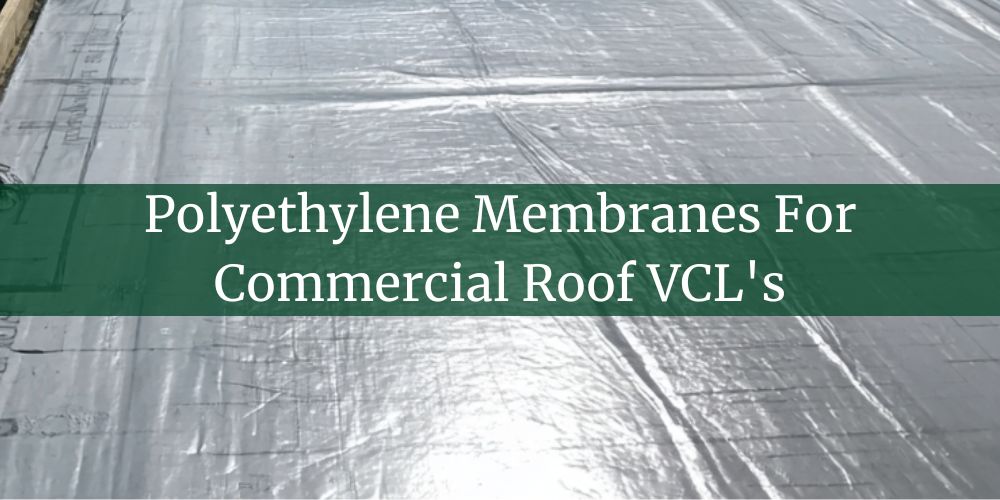
Polyethylene membranes serve as effective vapour control layers in commercial roofing systems, significantly reducing moisture ingress and improving thermal efficiency. These membranes are crucial in preventing condensation build-up, which can lead to insulation damage and structural decay, especially in the damp UK climate. By acting as a barrier, polyethylene membranes help prolong the lifespan of roofing materials, ensuring buildings remain energy-efficient and structurally sound. In addition, their installation is typically straightforward, aligning well with UK construction standards, making them a popular choice for both new constructions and roof refurbishments.
For UK commercial property owners and facility managers, understanding the role of vapour control layers like polyethylene membranes is essential to maximise building integrity and energy savings. In this blog, we’ll explore the specific benefits of polyethylene membranes, why they are preferred in UK roofing systems, and provide practical insights for their optimal use in various building projects.
What Are Polyethylene Membranes and How Do They Function as Vapour Control Layers?
Polyethylene membranes serve as vapour control layers by regulating moisture movement within building structures. These membranes are typically installed to prevent the passage of water vapour while allowing the building envelope to remain breathable, thus protecting structural components from condensation damage. Their usage is crucial in maintaining energy efficiency and durability of roofing systems. To better understand the roles and characteristics of polyethylene membranes as vapour control layers, consider the following key points:
- Moisture Regulation: Controls movement of water vapour within buildings, preventing condensation.
- Breathability: Allows necessary permeability to maintain a healthy indoor environment.
- Energy Efficiency: Reduces overall energy costs by mitigating moisture-related heat loss.
- Material Versatility: Applicable across various roofing and wall construction types.
- Durability: Long-lasting performance under diverse environmental conditions.
1. Moisture Regulation: Controls movement of water vapour within buildings, preventing condensation.
Moisture regulation refers to the ability of a material to manage water vapour ingress and egress within structures. Polyethylene membranes excel in moisture regulation by allowing water vapour to pass at a controlled rate, reducing risk of condensation within the building envelope. This characteristic is particularly vital in regions undergoing frequent temperature fluctuations that induce condensation cycles. Consequently, moisture regulation ensures that interior spaces remain dry and free from mould, enhancing the longevity of construction materials and overall building health.
2. Breathability: Allows necessary permeability to maintain a healthy indoor environment.
Breathability in building membranes indicates the controlled allowance of moisture to pass through a material without trapping it. Polyethylene membranes manage a balance by permitting limited moisture permeability, which is essential to avoid perennially wet conditions that promote microbial growth. This balance is critical in preserving indoor air quality while avoiding structural degeneration from excessive moisture accumulation. By maintaining an optimal level of breathability, these membranes help sustain a comfortable and safe indoor environment.
3. Energy Efficiency: Reduces overall energy costs by mitigating moisture-related heat loss.
Energy efficiency measures how effectively a construction element reduces the need for artificial heating and cooling. As vapour control layers, polyethylene membranes minimise energy losses linked to moisture-laden air that can compromise insulation. By managing vapour diffusion, these membranes help maintain the thermal integrity of the building envelope. This, in turn, leads to less energy consumption for temperature regulation, thereby contributing to reduced utility costs and a smaller carbon footprint.
4. Material Versatility: Applicable across various roofing and wall construction types.
Material versatility refers to the adaptability of a substance for use in different construction scenarios. Polyethylene membranes offer flexibility, being suitable for both new builds and refurbishment projects across diverse structure types. Their application is uncomplicated, as they integrate efficiently with other layers in building systems. This adaptability ensures that these membranes can provide effective vapour control without necessitating significant changes in building design or material selections.
5. Durability: Long-lasting performance under diverse environmental conditions.
Durability is a measure of how well a material can withstand environmental wear and mechanical stress over time. These membranes exhibit a high degree of durability, providing consistent performance despite variations in climate, UV exposure, and mechanical strain from structural movements. Over time, their robustness contributes to lower maintenance requirements and replacement costs. Their enduring nature makes polyethylene membranes a reliable choice for long-term vapour control in commercial roofing applications.
Have a question about an upcoming project?
Why Are Polyethylene Membranes Essential in UK Roofing Systems?
Polyethylene membranes are crucial in UK roofing for their water resistance, durability, and insulation properties. They provide a strong barrier against the frequent rains and damp conditions typical of the UK climate, ensuring roofs remain dry and protected. Their versatility and cost-effectiveness make them a preferred choice for both residential and commercial roofing projects. The following are key reasons why polyethylene membranes are indispensable for roofing systems in the UK:
- Waterproofing: Provides an effective barrier against rain infiltration and moisture.
- Durability: Maintains structural integrity over time despite frequent weather fluctuations.
- Cost-Effectiveness: Offers an economical solution with long-lasting performance.
- Thermal Insulation: Enhances energy efficiency by reducing heat loss through roofs.
- Flexibility: Easily adaptable to different roof shapes and sizes.
1. Waterproofing: Provides an effective barrier against rain infiltration and moisture.
Waterproofing refers to the ability of a material to repel water and prevent leaks. Polyethylene membranes excel in waterproofing, crucial for handling the UK's abundant rainfall. By preventing water penetration, they protect the underlying roof structure from water-related damages like mould growth. Ensuring effective waterproofing mitigates the risk of costly repairs and prolongs the lifespan of the roofing system.
2. Durability: Maintains structural integrity over time despite frequent weather fluctuations.
Durability is the capacity of a material to withstand wear, pressure, or damage. In the UK, roofs face varied weather conditions, from heavy storms to warm summers. Polyethylene membranes provide long-lasting durability, maintaining their protective qualities over time. This resilience against shifting temperatures and environmental stressors ensures that the roofing system remains intact and functional.
3. Cost-Effectiveness: Offers an economical solution with long-lasting performance.
Cost-effectiveness refers to achieving desired outcomes without excessive expenditure. Polyethylene membranes offer significant value by combining affordability with performance, making them a popular choice among builders. These membranes deliver reliable protection and require less maintenance, reducing overall lifecycle costs. Their long-lasting nature means fewer replacements and repairs, further cutting expenses for property owners.
4. Thermal Insulation: Enhances energy efficiency by reducing heat loss through roofs.
Thermal insulation is the process of keeping heat in or out of a building. Incorporating polyethylene membranes on roofs can improve a building's thermal efficiency, crucial for the UK's cooler months. By reducing heat transfer, these membranes help maintain indoor temperatures, leading to lower energy consumption. Enhanced insulation translates to reduced heating bills and a smaller carbon footprint for the building.
5. Flexibility: Easily adaptable to different roof shapes and sizes.
Flexibility means the capacity of a material to be bent or reshaped without breaking. Polyethylene membranes are suitable for a variety of roof designs, from flat to steeply pitched. Their flexibility allows easy installation over complex roof structures, ensuring comprehensive coverage and protection. This adaptability is particularly valuable for customised architectural projects where unique roofing solutions are required.
How Do Polyethylene Membranes Enhance Durability in Commercial Roofing?
Polyethylene membranes enhance durability by providing superior resistance to weather, UV rays, and chemicals. These membranes are pivotal for maintaining the integrity of commercial roofs, ensuring they withstand various environmental stresses. Utilising this advanced material significantly extends the lifespan of the roofing system and minimises maintenance costs. Here are the key reasons why polyethylene membranes bolster roof durability:
- Weather Resistance: Protects against rain, wind, and harsh weather conditions.
- UV Protection: Shields roofing materials from harmful ultraviolet radiation.
- Chemical Resistance: Withstands exposure to industrial pollutants and chemicals.
- Flexibility: Accommodates thermal expansion and contraction without cracking.
- Long Lifespan: Increases overall roof longevity with minimal maintenance needs.
1. Weather Resistance: Protects against rain, wind, and harsh weather conditions.
Weather resistance refers to a material’s ability to withstand various atmospheric conditions. In the context of polyethylene membranes, their composition offers exceptional resistance to precipitation and wind. This ensures that the roofing system remains intact during storms, preventing leaks and other forms of damage commonly associated with adverse weather conditions. The robustness of polyethylene membranes makes them particularly suitable for locations prone to frequent and severe weather changes.
2. UV Protection: Shields roofing materials from harmful ultraviolet radiation.
UV protection is the ability to block or absorb ultraviolet radiation from the sun. Polyethylene membranes are engineered with properties that limit UV penetration, protecting the underlying roofing materials. This not only keeps the roof structure safe from sun-induced degradation but also contributes to energy efficiency by reducing heat absorption, thus helping maintain cooler internal building temperatures. Over time, enhanced UV protection can significantly cut down on the need for roof repairs or replacements due to sun damage.
3. Chemical Resistance: Withstands exposure to industrial pollutants and chemicals.
Chemical resistance is the capacity to resist damage from chemical exposure. For commercial roofs, especially those near industrial areas, chemical reserves are crucial due to potential exposure to pollutants and corrosive substances. Polyethylene membranes are designed to maintain integrity when subjected to these harmful chemicals, thereby preserving the roof’s structure and function. This characteristic is invaluable for industries involving chemical processes or manufacturing, offering peace of mind regarding environmental protection.
4. Flexibility: Accommodates thermal expansion and contraction without cracking.
Flexibility refers to a material’s ability to bend without breaking under stress. Polyethylene membranes offer excellent flexibility, crucial for accommodating the natural thermal expansion and contraction of roofing materials. This flexibility prevents cracks and structural issues in varying temperatures, thereby sustaining the roof's seal and insulation properties. It ensures that even drastic temperature fluctuations do not compromise the roof’s durability, maintaining effectiveness over an extended period.
5. Long Lifespan: Increases overall roof longevity with minimal maintenance needs.
A long lifespan indicates the material’s enduring performance over time with minimal need for repairs. Due to the combined advantages of weather, UV, and chemical resistance, polyethylene membranes significantly extend the serviceable life of commercial roofing. This longevity translates to cost savings as it reduces the frequency of roof repairs and replacements. By choosing polyethylene membranes, businesses invest in a more reliable roofing solution that contributes to long-term financial savings and environmental sustainability through reduced material consumption.
Integrating polyethylene membranes as vapour control layers in UK roofing systems represents a crucial advancement in maintaining the integrity and efficiency of commercial roofing. The unique climatic conditions of the United Kingdom necessitate robust roofing solutions that effectively manage moisture ingress and safeguard against potential damages. By employing high-quality polyethylene membranes, businesses can enhance the longevity and resilience of their commercial roofs, ensuring protection from the varied weather that characterises the UK. Embracing the latest innovations in roofing technology not only helps in sustaining the structural health of commercial buildings but also plays a pivotal role in boosting energy efficiency and reducing maintenance costs in the long run.
If you are interested in further enhancing the durability of your commercial roof with polyethylene membranes or wish to learn more about our tailored roofing solutions for the UK market, we encourage you to get in touch with us via our contact form. Our expert team at Commercial Roofing Contractors is ready to assist you in choosing the best strategies for your building's needs.