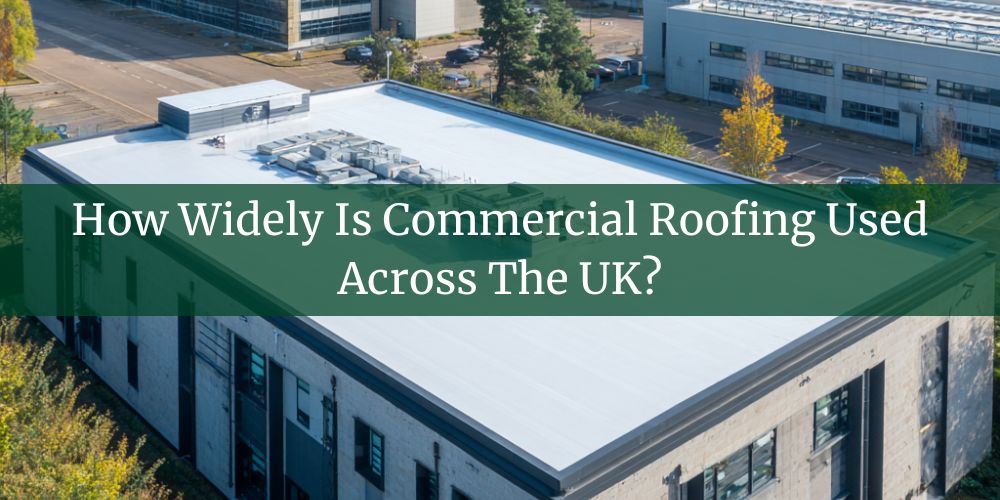
Commercial roofing is widely utilised across the UK, it provides essential protection and energy efficiency for various business infrastructures across diverse industries and locations. The UK’s varying climate conditions, including frequent rain and wind, make durable and weather-resistant roofing solutions a necessity for commercial buildings. From industrial warehouses to retail centres, different sectors require tailored roofing systems that can handle regional weather challenges while providing longevity and sustainability.
For UK commercial property owners and facility managers, understanding the widespread usage and benefits of commercial roofing is crucial for making informed infrastructure decisions. In this blog, we’ll delve into the different types of commercial roofing systems popular in the UK, discuss their applications, and offer insights into selecting the best options for various business needs.
What Are the Key Benefits of Commercial Roofing for Businesses in the UK?
Commercial roofing offers protection, energy efficiency, and cost savings for UK businesses. In the UK's varied climate, businesses need reliable roofing solutions to safeguard their properties and investments. Let's explore the key benefits.
- Weather Resistance: Provides excellent protection against the UK's harsh weather elements.
- Energy Efficiency: Reduces energy consumption by enhancing insulation and reflecting sunlight.
- Durability: Constructed with materials that endure the UK's diverse climate conditions.
- Cost Savings: Lowers maintenance costs over time with its longevity and minimal repairs.
- Sustainable Options: Environmentally friendly roofing options meet growing sustainability demands.
1. Weather Resistance: Provides excellent protection against the UK's harsh weather elements.
Weather-resistant commercial roofing ensures safety from rain, snow, and wind. In the UK, unpredictable weather can cause significant damage; thus, robust roofing is crucial for business protection. Using advanced materials and technology, these roofs mitigate leaks and structural damage, ensuring business continuity even during storms.
2. Energy Efficiency: Reduces energy consumption by enhancing insulation and reflecting sunlight.
Energy-efficient roofing systems help lower heating and cooling costs. They play a crucial role in UK's temperate climate by reducing reliance on artificial climate control, leading to energy savings. By incorporating reflective materials, they aid in maintaining consistent indoor temperatures, positively impacting a business's carbon footprint.
3. Durability: Constructed with materials that endure the UK's diverse climate conditions.
Durable commercial roofing lasts longer under varying weather conditions. With the UK experiencing everything from mild, wet winters to warm summers, roofing must withstand these extremes. Durable roofs reduce the frequency of replacements and repairs, ensuring cost-effectiveness over time.
4. Cost Savings: Lowers maintenance costs over time with its longevity and minimal repairs.
A cost-effective roofing solution minimises maintenance expenses for businesses. By investing in high-quality materials, companies benefit from fewer repairs and an extended service life. This long-term financial benefit is crucial in managing a business's operational costs effectively.
5. Sustainable Options: Environmentally friendly roofing options meet growing sustainability demands.
Sustainable roofing options are designed with eco-friendly materials and processes. As sustainability becomes increasingly important in the UK, businesses can reduce their environmental impact through such options. These roofs, often made from recycled materials, not only comply with legislative standards but also appeal to eco-conscious clients and stakeholders.
Have a question about an upcoming project?
How is the Widespread Usage of Commercial Roofing Transforming Urban Landscapes Across the UK?
The widespread adoption of commercial roofing is significantly influencing the structural and aesthetic elements of urban areas in the UK. Commercial roofing not only enhances the durability and efficiency of buildings but also contributes to the visual and environmental dynamics of cityscapes, helping to create a more sustainable and technologically advanced urban environment. This transformation is evident in the increasing use of eco-friendly materials and the incorporation of innovative features that address the demands of modern urban living. The following list outlines the primary ways in which commercial roofing is reshaping UK urban landscapes:
- Sustainability: Promotes use of materials that minimise environmental impact and improve building efficiency.
- Energy Efficiency: Incorporates technologies to reduce energy consumption and enhance building performance.
- Durability: Utilises robust materials that extend the lifespan of urban structures significantly.
- Architectural Flexibility: Supports diverse design choices that enhance city aesthetics and functionality.
- Cost-Effectiveness: Reduces long-term maintenance expenses and improves overall investment returns.
1. Sustainability: Promotes use of materials that minimise environmental impact and improve building efficiency.
Sustainability in roofing involves using materials and practices that have a reduced ecological footprint. This emphasis on sustainability is critical as urban areas seek to address the challenges of climate change and resource efficiency. By adopting sustainable roofing solutions, cities can not only improve their carbon footprint but also encourage a broader adoption of environmentally friendly practices among residents and businesses.
2. Energy Efficiency: Incorporates technologies to reduce energy consumption and enhance building performance.
Energy-efficient roofing systems are designed to conserve energy by improving insulation and reducing thermal gain. Incorporating energy-efficient features into commercial roofs helps mitigate heat retention in urban areas, known as the urban heat island effect. This not only lowers energy bills but also supports broader municipal goals of reducing carbon emissions and improving air quality within densely populated regions.
3. Durability: Utilises robust materials that extend the lifespan of urban structures significantly.
Durability refers to the ability of roofing materials to withstand various environmental stresses over time without significant degradation. Commercial roofs made from durable materials contribute to the longevity and reliability of buildings, thereby supporting sustainable urban growth. In an era where construction costs are rising, ensuring the durability of building structures is of paramount importance to city planners and developers alike.
4. Architectural Flexibility: Supports diverse design choices that enhance city aesthetics and functionality.
Architectural flexibility in roofing allows for a wide range of design options that can adapt to varying aesthetic and functional needs. This flexibility enables city officials and architects to implement visually appealing designs that complement the surrounding urban landscape. Such adaptability in design not only strengthens the identity of urban spaces but also supports functional innovations that may cater to specific community needs or constraints.
5. Cost-Effectiveness: Reduces long-term maintenance expenses and improves overall investment returns.
Cost-effectiveness in commercial roofing is achieved through reduced maintenance requirements and extended material longevity. By lowering the need for frequent repairs, businesses and municipalities can allocate resources to other critical urban development areas. Affordability in roofing solutions ensures broader accessibility for various sectors, facilitating widespread adoption and supporting the financial viability of urban projects.
What Should Businesses Consider When Choosing a Commercial Roofing Solution in the UK?
Businesses should assess durability, energy efficiency, cost, compliance with regulations, and maintenance needs. In the UK, these considerations are essential due to the varying climate and stringent building regulations. Additionally, choosing the right roofing solution can impact operational costs and overall building sustainability. Here are key factors businesses should prioritise when selecting a commercial roofing solution in the UK:
- Weather Resistance: Effectively withstands the UK's diverse weather conditions.
- Energy Efficiency: Materials that reduce energy consumption and lower utility bills.
- Compliance with Building Regulations: Adheres to UK standards for safety and quality.
- Cost-effectiveness: Balances initial costs with long-term financial benefits.
- Maintenance Requirements: Demands minimal upkeep to reduce operational disruptions.
1. Weather Resistance: Effectively withstands the UK's diverse weather conditions.
Weather resistance refers to the capability of roofing materials to endure extreme weather. The UK's climate ranges from heavy rain to strong winds, demanding durable roofing solutions. A roof that can withstand these conditions will reduce repair costs and business disruptions. For businesses, investing in weather-resistant roofing ensures the safety and integrity of the building. Durable materials prevent leaks and structural damages, crucial for maintaining daily operations. Long-lasting weather resistance can extend the lifespan of the roofing system, enhancing the building's overall value. It also provides peace of mind to business owners, knowing that their assets are protected regardless of weather changes.
2. Energy Efficiency: Materials that reduce energy consumption and lower utility bills.
Energy efficiency involves using materials that help maintain optimal building temperatures. Proper insulation and reflective surfaces minimise the need for heating and cooling. For UK businesses, this can mean significant savings on energy bills. An energy-efficient roof can contribute to sustainability goals while reducing operational costs. It also aligns with the UK's focus on reducing carbon footprints and adhering to environmental standards. Choosing energy-efficient solutions can enhance building comfort, benefiting employees and customers alike. It underscores a company's commitment to environmental responsibility, potentially improving its public image.
3. Compliance with Building Regulations: Adheres to UK standards for safety and quality.
Compliance with building regulations ensures all construction meets legal safety requirements. For rooftops, this includes fire safety, load-bearing capacity, and insulation. Complying with these standards is mandatory for UK businesses to ensure legal operation. Adhering to regulations avoids legal penalties and potential business shutdowns. It also demonstrates a company's dedication to maintaining high safety and quality standards. By selecting compliant roofing solutions, businesses avoid costly modifications or rebuilds in the future. This ensures the safety of occupants and the longevity of the building.
4. Cost-effectiveness: Balances initial costs with long-term financial benefits.
Cost-effectiveness measures how well a solution meets its intended purpose for its price. It's crucial to consider both initial costs and potential savings from longevity and efficiency. For UK businesses, this means identifying roofing materials that offer the best return on investment. Cost-effective solutions prevent overspending while ensuring the roof meets operational needs. Evaluating long-term benefits over short-term savings is essential to make wise financial decisions. Understanding lifecycle costs allows businesses to budget accurately for repairs or replacements. This financial foresight helps optimise allocation of resources and maximise profitability.
5. Maintenance Requirements: Demands minimal upkeep to reduce operational disruptions.
Maintenance requirements entail how often and to what extent a roof needs servicing. High-maintenance roofs can disrupt business operations and incur additional costs. Choosing materials that require minimal upkeep is prudent for sustained performance. For UK businesses, a low-maintenance roof saves time and money on frequent repairs. It ensures uninterrupted operations, crucial for maintaining profitability and customer satisfaction. Selecting roofing systems with low maintenance needs also prolongs the roof's lifespan. This decision supports maintaining a hassle-free working environment and enhances productivity.
The widespread usage of commercial roofing across the United Kingdom underscores its importance in safeguarding and enhancing commercial infrastructures. British businesses can significantly benefit from the durability, energy efficiency, and aesthetic appeal that high-quality commercial roofing provides. Given the UK's diverse climate and architectural styles, it is essential to choose the right roofing solution tailored to meet specific needs. Investing in robust commercial roofing systems not only ensures compliance with safety standards but also contributes to the longevity and performance of your building. By understanding the unique demands of the UK market, companies can make informed decisions that support operational efficiency and sustainability.
If you are seeking expert advice or further information on commercial roofing solutions tailored to your needs in the United Kingdom, please get in touch with us through our contact form. Our team is on hand to offer assistance and guidance to help you make the best choice for your commercial property.