
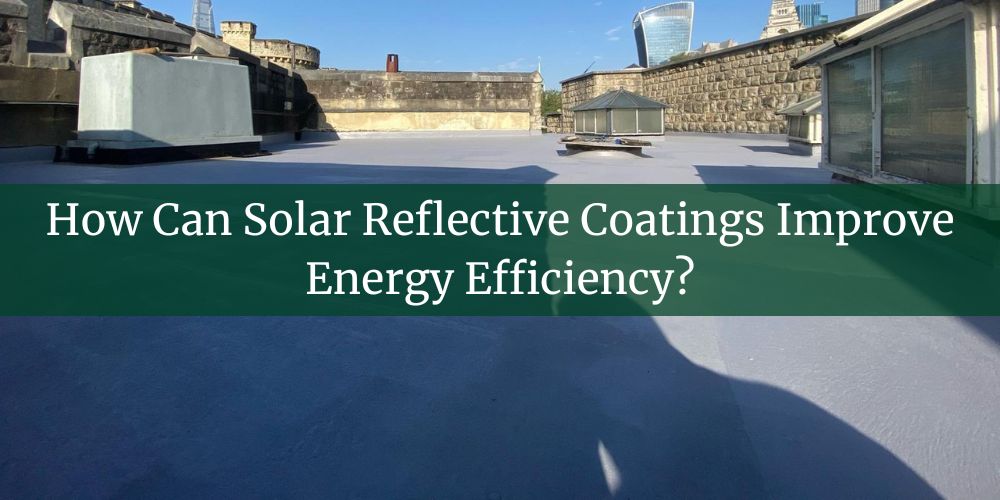
Solar reflective coatings significantly enhance energy efficiency for commercial roofs in the UK. This is especially true for southern regions of the UK. Solar reflective coatings reduce heat absorption which results in lowering cooling costs. Due to the milder climate in the UK compared to regions with harsher sunlight exposure, the application of these coatings helps in decreasing reliance on air conditioning systems, especially during warmer months. Moreover, while they reflect a substantial amount of solar energy, these coatings also contribute to extending the longevity of roofing materials by reducing thermal stress and related wear.
In the south of the UK, where energy efficiency and sustainability are becoming increasingly important for commercial properties, solar reflective coatings offer a practical solution. Despite the UK’s less intense sunlight compared to sunnier regions, these coatings play a crucial role in moderating indoor temperatures, thereby promoting a more sustainable energy usage for building cooling systems. Property managers and owners can benefit significantly from investing in these coatings, not only for cost savings but also for environmental impact reduction.
For commercial building owners and facility managers in the south of the UK, understanding how solar reflective coatings contribute to energy efficiency is vital for making informed upgrades. In this blog, we will delve deeper into the benefits of applying solar reflective coatings, exploring their cost-effectiveness, environmental benefits, and long-term impacts on building maintenance and energy bills. Join us as we uncover expert insights and practical tips for optimizing your commercial roof’s performance in the UK climate.
What Are Solar Reflective Coatings and How Do They Work?
Solar reflective coatings are specialised paints which reflect more sunlight and absorb less heat than standard coatings. By reflecting solar radiation, these coatings help reduce rooftop temperatures, thereby lowering cooling costs and extending the lifespan of commercial roofing. They are particularly beneficial in hot climates where cooling costs are significant. Here are the key benefits and functionalities of solar reflective coatings outlined in a list:
- Temperature Reduction: Reflects sunlight, significantly lowering roof surface temperatures.
- Energy Efficiency: Leads to reduced building cooling costs and energy consumption.
- Extended Roof Life: Minimises thermal expansion and contraction, thereby extending roof longevity.
- Environmental Impact: Decreases urban heat islands by reducing ambient temperatures.
- Cost-Effectiveness: Offers financial savings through reduced energy costs and extended roof lifespan.
1. Temperature Reduction: Reflects sunlight, significantly lowering roof surface temperatures.
Temperature reduction refers to the decrease in surface temperature achieved by solar reflective coatings. These coatings work by reflecting a significant portion of the sun's rays away from the roof, preventing the building's internal temperature from rising. This temperature control is crucial in maintaining comfortable indoor conditions without excessive air conditioning. Reducing the roof surface temperature not only aids in achieving more stable indoor temperatures but also helps in lowering the overall energy consumption required for cooling. This means buildings in hot climates can markedly benefit from solar reflective coatings.
2. Energy Efficiency: Leads to reduced building cooling costs and energy consumption.
Energy efficiency involves maximising energy use to perform desired tasks while minimising wastage. Solar reflective coatings enhance energy efficiency by reflecting solar radiation, thereby reducing the heat absorbed by the building. This lowers cooling needs, leading to reduced energy bills. When cooling costs are reduced, businesses and homeowners experience significant savings. The energy efficiency from these coatings can lead to a noticeable decrease in overall building operational costs.
3. Extended Roof Life: Minimises thermal expansion and contraction, thereby extending roof longevity.
Extended roof life refers to the prolongation of a roof's functional lifespan. Solar reflective coatings minimise temperature fluctuations on roof surfaces, reducing thermal stress caused by expansion and contraction. As a result, the roof endures fewer instances of cracking and wear. This prolongation of the roof’s lifespan means less frequent need for repairs and replacements, presenting long-term financial savings and reduced material waste for building owners.
4. Environmental Impact: Decreases urban heat islands by reducing ambient temperatures.
Environmental impact encompasses the effect of human activities on the natural world. By reflecting solar heat, reflective coatings help lower the temperature of individual buildings and surrounding areas, addressing urban heat island effects. Cooler urban environments contribute to better air quality and reduced energy consumption overall. Mitigating the urban heat island effect assists in maintaining ecological balance and promotes healthier living conditions in densely populated areas.
5. Cost-Effectiveness: Offers financial savings through reduced energy costs and extended roof lifespan.
Cost-effectiveness measures the economy and efficiency of spending decisions. Solar reflective coatings are cost-effective because they significantly reduce energy bills due to decreased cooling requirements. Additionally, the extended lifespan of the roof due to reduced thermal strain results in less frequent roof repair and replacement expenses. Over time, the initial investment in solar reflective coatings can lead to substantial financial savings, proving to be a wise choice for many building owners focused on long-term economic benefits.
Have a question about an upcoming project?
Why Are Solar Reflective Coatings Particularly Beneficial for Commercial Roofs in South of the UK?
Solar reflective coatings are advantageous in south of the UK due to their ability to reduce heat absorption and consequently lower energy bills. The south of the UK experiences a relatively moderate climate but can still have warm, sunny days during the summer which can impact commercial building energy efficiency. The following list highlights the key benefits that solar reflective coatings provide for commercial roofs in the south of the UK:
- Temperature Reduction: Minimises heat absorption during warm summer days.
- Energy Efficiency: Reduces the need for air conditioning, lowering energy costs.
- Roof Longevity: Decreases temperature-induced wear and tear on roofing materials.
- Environmental Impact: Promotes sustainability by lowering a building's carbon footprint.
- Cost-Effectiveness: Provides long-term savings on energy and roof maintenance costs.
1. Temperature Reduction: Minimises heat absorption during warm summer days.
Temperature reduction refers to the lowering of heat absorbed by the roof surface. Summer days in southern parts of the UK can be warm, by reducing the roof’s temperature can substantially enhance internal comfort levels. A cooler roof surface also translates to less strain on cooling systems within commercial buildings. Over time, reducing heat absorption can mitigate the heat island effect prevalent in urban settings, contributing to a more comfortable urban environment. Additionally, this reduction enhances the building's energy performance by keeping temperatures manageable without excessive cooling.
2. Energy Efficiency: Reduces the need for air conditioning, lowering energy costs.
Energy efficiency is achieved by decreasing the amount of energy required to maintain optimal temperatures inside the building. With less heat penetrating their surfaces, roofs with solar reflective coatings significantly lower air conditioning usage during periods of sunshine. This results in marked energy savings for commercial properties. Such efficiency is particularly beneficial given both summer temperature peaks and rising energy costs, helping businesses maintain budgets and reduce their environmental impact through lower energy consumption.
3. Roof Longevity: Decreases temperature-induced wear and tear on roofing materials.
Roof longevity refers to the extended lifespan of roofing materials due to reduced thermal stress. Solar reflective coatings help maintain a stable roof temperature, reducing contraction and expansion cycles that can cause premature material failure. This extension of the roof's lifespan reduces repair and replacement costs over time, offering financial and operational benefits to businesses in the south of the UK. Furthermore, a longer-lasting roof also contributes to waste reduction by decreasing the frequency of roof disposal in landfills.
4. Environmental Impact: Promotes sustainability by lowering a building's carbon footprint.
Environmental impact refers to the effect a building has on its surroundings and global ecological footprint. By reducing energy consumption through effective solar reflection, these coatings lessen the building's reliance on fossil fuels, thus reducing its carbon emissions. Commercial buildings adopting solar reflective coatings support broader sustainability efforts, aligning with governmental and community goals to battle climate change by minimising their carbon output.
5. Cost-Effectiveness: Provides long-term savings on energy and roof maintenance costs.
Cost-effectiveness is achieved by saving money over the long term through reduced operational and maintenance expenses. With energy costs consistently on the rise, the upfront investment in solar reflective coatings becomes justifiable through consistent reductions in energy bills and maintenance interventions. Implemented on a larger scale, these coatings provide significant cumulative savings, thus demonstrating a strong return on investment for commercial enterprises interested in optimising operational expenses while enhancing environmental stewardship.
How Can Commercial Property Owners in The UK Implement Solar Reflective Coatings Effectively?
Commercial property owners can enhance energy efficiency by effectively applying solar reflective coatings. These coatings help in reducing the heat absorbed by roofs, thus lowering cooling costs and extending the life of roofing materials. Implementing them requires proper planning, choice of suitable materials, and professional application to maximise benefits. Here’s a step-by-step guide for commercial property owners in UK can apply solar reflective coatings effectively:
- Assessment: Conduct a detailed roof inspection to identify condition and suitability for coatings.
- Material Selection: Choose high-performance reflective coatings suitable for the UK's climate.
- Professional Application: Hire experienced contractors to ensure proper and even application.
- Regular Maintenance: Schedule annual inspections and touch-ups to maintain coating effectiveness.
- Energy Monitoring: Track changes in energy usage to evaluate coating impact and efficiency.
1. Assessment: Conduct a detailed roof inspection to identify condition and suitability for coatings.
The assessment involves thoroughly inspecting the roof's condition before applying solar reflective coatings. Identifying existing damages or weaknesses helps determine the roof's readiness for such modifications. It ensures that any underlying issues are addressed first, preventing potential future problems. Conducting a proper assessment ensures the longevity and effectiveness of the reflective coatings, thereby supporting energy-saving goals.
2. Material Selection: Choose high-performance reflective coatings suitable for the UK's climate.
Material selection involves choosing coatings that provide optimal reflection and durability. Selecting suitable materials is vital for enhancing energy efficiency while keeping in mind the local climate conditions. The right materials ensure durability and require less frequent reapplications. Using high-performance coatings can maximise energy savings by significantly reducing heat absorption, thus cutting down on cooling costs.
3. Professional Application: Hire experienced contractors to ensure proper and even application.
Professional application means engaging skilled contractors for the coating process. Correct application techniques are crucial to achieving the maximum potential of solar reflective coatings. Professional contractors ensure that the coatings adhere properly and cover the desired areas evenly. This step prevents premature peeling or cracking, which could diminish the benefits of energy savings and extend the roof's life.
4. Regular Maintenance: Schedule annual inspections and touch-ups to maintain coating effectiveness.
Regular maintenance involves periodic checks and necessary touch-ups to maintain the coating's integrity. Annual inspections help identify wear and tear or damage that could affect the roof's performance. Regular maintenance extends the life and performance of solar reflective coatings. A proactive approach to maintenance ensures continuous benefits in energy efficiency and helps in anticipating potential issues before they escalate.
5. Energy Monitoring: Track changes in energy usage to evaluate coating impact and efficiency.
Energy monitoring involves measuring energy consumption before and after coating application. Tracking energy usage provides insights into the effectiveness of the solar reflective coatings. It helps in verifying the reduced energy consumption claims associated with these coatings. By comparing energy data, property owners can objectively assess the financial and environmental benefits of their investment in reflective coatings.
Solar reflective coatings offer a promising solution for enhancing energy efficiency and reducing operational costs for commercial roofs in the southern regions of the United Kingdom. These coatings not only help mitigate the heat island effect but also provide a practical means to prolong the lifespan of your roofing system, making them a valuable investment for businesses aiming to enhance sustainability and energy performance. By addressing the unique weather conditions faced in the south of the UK, commercial roofing solutions can significantly benefit from the implementation of reflective coatings, ensuring buildings remain cooler, more resilient, and cost-effective. As businesses continue to prioritise energy efficiency, it's clear that adopting such innovative roofing technologies will play a critical role in the commercial sector's future.
If you are interested in exploring solar reflective coatings for your commercial roof or would like expert advice tailored to your building's needs, please get in touch with us through our contact form. Our dedicated team at Commercial Roofing Contractors is ready to assist you in achieving the best possible outcomes for your roofing project.