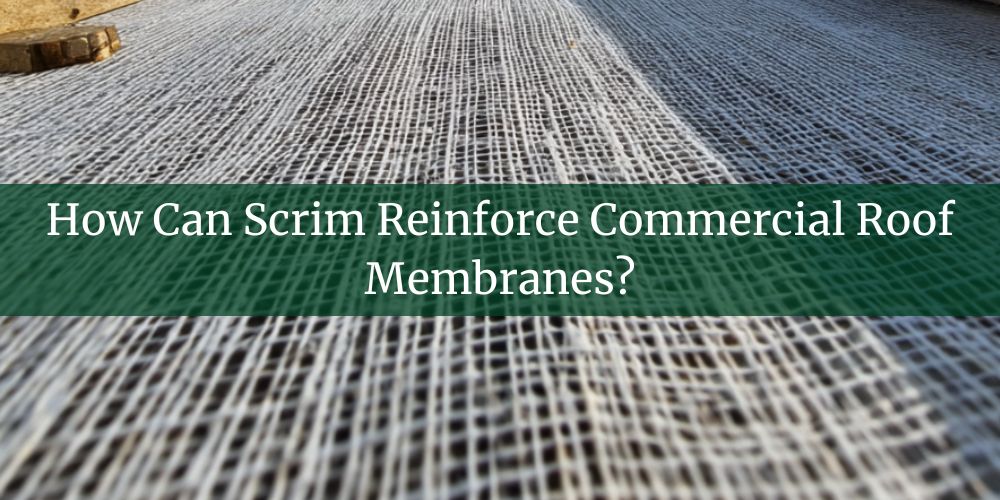
Scrim reinforces commercial roof membranes by embedding a strong, woven or nonwoven fabric layer that enhances tensile strength, puncture resistance, and dimensional stability. Glass fibre scrim is a superior reinforcement for long-lasting roofing membranes due to its exceptional tensile strength and resistance to environmental stresses. Polyester scrim, while also effective, is generally used for cost-effective installations, offering flexibility and ease of application, but it may not match the durability of glass fibre in harsh UK climates. Glass fibre reinforcement is especially advantageous in the UK where roofs are frequently exposed to wind, rain, and temperature fluctuations that can compromise roofing membranes. This material not only helps in maintaining the structural integrity of the roof but also enhances its lifespan by resisting damage from moisture and UV exposure, common in the variable British weather.
For UK commercial building owners and facility managers, choosing the right reinforcement for roofing membranes is crucial for ensuring longevity and reducing maintenance costs. In this blog, we’ll explore the benefits and drawbacks of glass fibre and polyester scrim, providing insights to help you make an informed decision for long-lasting roofing solutions in the UK.
What Are the Key Differences Between Glass Fibre and Polyester Scrim in Roofing Membranes?
Glass fibre scrim offers excellent dimensional stability, whereas polyester scrim provides flexibility and tensile strength. Glass fibre is typically used in situations requiring fire resistance and stability. Polyester scrims are well-suited to applications needing more flexibility and impact resistance. The following list outlines the critical differences between glass fibre and polyester scrim in roofing membranes:
- Dimensional Stability: Glass fibre offers superior stability compared to polyester scrim.
- Flexibility: Polyester scrim provides greater flexibility for various roof applications.
- Fire Resistance: Glass fibre is inherently more fire-resistant than polyester scrim.
- Tensile Strength: Polyester scrim has higher tensile strength, enhancing tear resistance.
- Application Suitability: Each material suits different roofing scenarios based on unique properties.
1. Dimensional Stability: Glass fibre offers superior stability compared to polyester scrim.
Dimensional stability refers to a material's ability to maintain its size and shape under stress. Glass fibre is known for its dimensional stability, making it ideal for stable, rigid roofing systems. It prevents membrane shrinkage and maintains the integrity of the roofing application over time, and it's especially important in environments where roofing materials are prone to expanding and contracting due to temperature changes.
2. Flexibility: Polyester scrim provides greater flexibility for various roof applications.
Flexibility refers to the ability of a material to bend or flex without breaking. Roofing systems that require adaptability to movement or irregular surfaces benefit from polyester scrims. This flexibility also allows for easier installation and a reduced risk of cracks or splits during substrate shifts or environmental changes.
3. Fire Resistance: Glass fibre is inherently more fire-resistant than polyester scrim.
Fire resistance is a material's ability to resist burning and withstand heat. Glass fibre, being non-combustible, is preferred in roofing systems where fire safety is a paramount concern. This property can be crucial in meeting building codes and standards aimed at reducing the risk of fire spread across a roofing surface.
4. Tensile Strength: Polyester scrim has higher tensile strength, enhancing tear resistance.
Tensile strength measures how much force a material can withstand without breaking. Polyester scrims' high tensile strength makes them suited for conditions requiring resistance to physical stress or impact. This attribute ensures that roofing membranes remain intact even when subjected to strong winds or mechanical stresses during installation or maintenance.
5. Application Suitability: Each material suits different roofing scenarios based on unique properties.
Application suitability refers to how fitting a material is for a specific use case or condition. Due to their distinct properties, glass fibre and polyester scrims cater to different roofing needs—ranging from fire protection to flexibility requirements. Understanding these differences allows for informed decisions in materials selection to ensure performance aligns with the specific demands of a roofing project.
Have a question about an upcoming project?
How Do Glass Fibre and Polyester Scrim Impact the Longevity and Durability of Commercial Roofs?
Glass fibre and polyester scrim significantly enhance commercial roof durability by providing strength and flexibility. These materials contribute to prolonged roof life by adding resistance to environmental stress and mechanical wear. By reinforcing the roofing membrane, they help maintain structural integrity under various conditions. Here are the key ways glass fibre and polyester scrim impact the longevity and durability of commercial roofs:
- Strength Reinforcement: Adds structural support, reducing tears and punctures.
- Flexibility Enhancement: Allows roofs to adapt to temperature fluctuations without cracking.
- Weather Resistance: Increases resilience against wind, rain, and UV exposure.
- Improved Lifespan: Extends roof service life by maintaining performance over time.
- Cost Efficiency: Reduces repair frequency and maintenance costs through enhanced durability.
1. Strength Reinforcement: Adds structural support, reducing tears and punctures.
Strength reinforcement entails strengthening a material to withstand pressure and damage. Glass fibre and polyester scrim reinforce the roofing membrane, offering additional structural support. This support helps prevent tears and punctures, critical in maintaining a roof's functionality and durability over its lifespan. Enhanced strength decreases the likelihood of damage during extreme weather events or heavy foot traffic. By distributing stress evenly across the roof surface, these materials minimise the risk of localised weakness and extend the roof's overall service life.
2. Flexibility Enhancement: Allows roofs to adapt to temperature fluctuations without cracking.
Flexibility enhancement refers to a material’s ability to bend and accommodate structural movement. Glass fibre and polyester scrim add flexibility to roofing systems, enabling roofs to adjust to temperature changes without developing cracks. This adaptability is vital in preventing water ingress and subsequent damage. In areas with significant temperature variations, the expansion and contraction cycles can stress roofs. Flexible materials maintain the roof's integrity through these cycles, reducing the risk of compromise due to brittleness or fractures.
3. Weather Resistance: Increases resilience against wind, rain, and UV exposure.
Weather resistance is a material's capacity to withstand external environmental conditions. Glass fibre and polyester scrim bolster the roof's ability to resist wind, precipitation, and ultraviolet rays. Improved weather resistance is crucial in protecting the roofing structure and preserving its components. This protection translates to fewer weather-related repairs and maintains aesthetic and functional qualities over time. Consistent weatherproof performance also ensures the underlying structure remains safeguarded from moisture ingress and thermal damage.
4. Improved Lifespan: Extends roof service life by maintaining performance over time.
An improved lifespan describes the prolonged duration a structure remains functional and effective. By incorporating glass fibre and polyester scrim, commercial roofs maintain high-performance levels, extending their service life. This longevity reduces the need for premature replacements. Consistent performance over time ensures that commercial properties enjoy dependable roofing protection. Enhanced lifespan contributes to greater return on investment by maintaining low maintenance and operational costs.
5. Cost Efficiency: Reduces repair frequency and maintenance costs through enhanced durability.
Cost efficiency involves optimising expenses to achieve economic savings. Glass fibre and polyester scrim provide durability that lowers the frequency and cost of roof repairs. This economic benefit arises from reduced susceptibility to damage and wear. Long-lasting materials mean less frequent repairs, saving on both material and labour costs. By investing in durable roofing solutions, businesses can allocate resources more effectively and ensure financial predictability in building management.
Which Reinforcement Material Is Best Suited for Your Commercial Roofing Project?
The ideal reinforcement material for your commercial roofing project depends on your specific needs and environmental conditions. Fibreglass and polyester are popular choices due to their strength and resistance to weathering. Consideration of factors like durability, cost, and environmental impact is crucial for making the best choice. When selecting the best reinforcement material, it is important to think about several key factors:
- Weather Resistance: Select materials that withstand local weather conditions effectively.
- Durability: Ensure longevity by opting for materials known for high resilience.
- Cost-Effectiveness: Balance budget constraints with material benefits.
- Environmental Impact: Choose materials with minimal ecological footprint.
- Installation Ease: Consider the simplicity and speed of material application.
1. Weather Resistance: Select materials that withstand local weather conditions effectively.
Weather resistance refers to the ability of a material to endure exposure to the elements without significant deterioration. For commercial roofing, weather-resistant materials help prevent leaks, corrosion, and damage in extreme weather. Given varying climates, selecting materials suited to local weather conditions enhances longevity and performance. This is particularly important in areas prone to heavy rainfall, high winds, or extreme temperatures, where lesser materials might quickly fail. Examples include fibreglass, which offers excellent moisture and temperature resistance, making it ideal for regions with harsh weather patterns.
2. Durability: Ensure longevity by opting for materials known for high resilience.
Durability is the strength and longevity of a material under various conditions. Durable roofing materials reduce the need for frequent repairs, thereby saving costs in the long term. Commercial roofs often face heavy loads and environmental pressures, making durability a critical factor for reinforcements. Materials like polyester reinforcement are renowned for their toughness and ability to withstand wear and tear over time. By investing in durable materials, businesses can ensure that their roofing lasts longer, providing better value for their investment.
3. Cost-Effectiveness: Balance budget constraints with material benefits.
Cost-effectiveness evaluates the economic value of using a reinforcement material versus its benefits. While cheaper materials might offer immediate savings, their long-term performance could lead to higher maintenance costs. Therefore, it's important to strike a balance between affordability and quality. Opting for materials like fibreglass can initially be costlier but often proves economical in the long run due to fewer repairs and replacements. Careful budgeting should encompass both initial expenses and anticipated lifespan of the roofing solution.
4. Environmental Impact: Choose materials with minimal ecological footprint.
Environmental impact considers how the production, use, and disposal of materials affect the ecosystem. Sustainable roofing materials are increasingly becoming a priority for commercial projects due to regulatory and ethical considerations. Reduced environmental footprints contribute to better company reputation and possible cost savings through energy efficiency. For instance, recycled or recyclable materials reduce waste and resource consumption. Utilising eco-friendly reinforcement options like sustainably sourced polymers can align with corporate sustainability goals while also potentially benefiting company public image.
5. Installation Ease: Consider the simplicity and speed of material application.
Installation ease refers to how readily a material can be applied or integrated into existing construction. Simplicity in installation can lead to reduced labour costs and quicker project completion times. Materials that are compatible with various roof systems or don't require specialised skills can be advantageous. For example, easily rollable fibreglass mats are straightforward to install and suit a variety of commercial roof styles. Considering installation factors helps avoid unforeseen complications and ensures smooth project execution.
In conclusion, both glass fibre and polyester scrim offer significant benefits as reinforcement materials in roofing membranes, particularly in the commercial roofing sector. Their excellent durability, flexibility, and resistance to environmental factors make them ideal for the varied and often unpredictable weather conditions in the United Kingdom. By incorporating these materials into your roofing system, you can ensure a long-lasting solution that withstands the elements while maintaining structural integrity and efficiency. The choice between glass fibre and polyester scrim will depend on specific project needs and budget considerations, but both options provide robust reinforcement for commercial buildings across the UK, offering peace of mind to building owners and operators.
If you are interested in exploring the best reinforcement options for your commercial roofing membranes or require tailored advice for a project, please get in touch with us using our contact form. Our knowledgeable team is ready to assist you with bespoke solutions to enhance the longevity and performance of your roofing system in the United Kingdom.