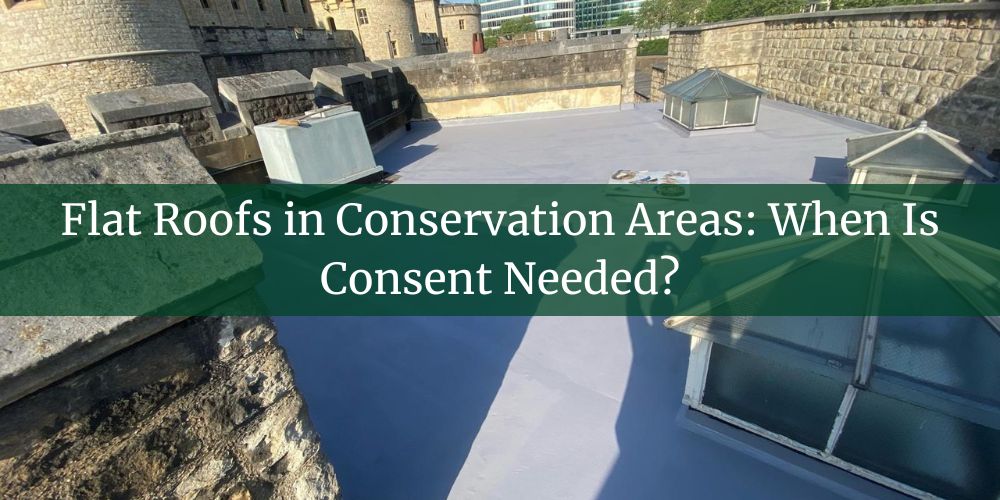
In the United Kingdom, any roof work on a flat roof within a conservation area may require listed building consent if it affects the character or appearance of the listed building. Conservation areas are designated to preserve the architectural and historical interest of a region, meaning alterations must be carefully managed to maintain their unique features. When planning roof repairs or renovations, it’s essential to check local planning guidelines and consult with the local planning authority to determine if consent is required, as unapproved changes can lead to enforcement actions.
For commercial building owners and facility managers in the UK, understanding when listed building consent is necessary for roof work is crucial to ensure compliance and protect historic properties. In this blog, we will delve further into the specific requirements for roof work in conservation areas and explore how to navigate the legal and planning processes effectively.
What Are Conservation Areas and Why Do They Matter for Commercial Roofing?
Conservation areas are designated zones where the local character and history are preserved and protected. In these areas, any commercial roofing work must align with strict guidelines to maintain the architectural integrity and heritage value of the buildings. For commercial property owners and contractors, understanding these regulations is crucial to ensure compliance while executing roofing projects. Here are some important considerations when addressing commercial roofing in conservation areas:
- Regulatory Compliance: Adhering to conservation area building and design guidelines is critical.
- Material Selection: Choosing appropriate materials that blend with historical aesthetics and environment.
- Planning Permissions: Obtaining necessary permissions before commencing any roofing work.
- Design Sensitivity: Ensuring new roofing designs align with the area's historical context.
- Environmental Impact: Minimising impact on local ecology and character during roofing projects.
1. Regulatory Compliance: Adhering to conservation area building and design guidelines is critical.
Regulatory compliance refers to following the rules and standards set by local authorities. In conservation areas, these regulations are particularly stringent to preserve historical and architectural significance. Commercial roofing projects must meet these guidelines to avoid legal repercussions and protect the area's heritage. Ensuring regulatory compliance helps maintain the balance between modern functionality and historical preservation. Failure to comply can result in fines, project delays, and damage to the area's historical integrity. Proper understanding and adherence to these regulations are therefore essential for any commercial roofing project within a conservation area.
2. Material Selection: Choosing appropriate materials that blend with historical aesthetics and environment.
Material selection involves choosing the right roofing materials that complement the existing structures and landscapes. In conservation areas, this selection must consider the historical aesthetics and environmental factors. Using compatible materials ensures the new roofing does not disrupt the visual appeal or heritage value. Selecting the right materials is vital for maintaining the area's characteristic appearance and ambiance. Conservation guidelines might specify certain materials that are preferred or restricted, making selection crucial to the project's approval and success. Proper material selection aids in preserving the historical narrative while meeting modern needs.
3. Planning Permissions: Obtaining necessary permissions before commencing any roofing work.
Planning permissions are authorisations granted by local authorities for construction or renovation projects. In conservation areas, obtaining these permissions is mandatory before undertaking any roofing works. Such permissions ensure that all modifications adhere to the conservation guidelines and maintain the area's integrity. The process of securing planning permissions can be rigorous in conservation areas due to the high value placed on preservation. It's important for contractors and owners to thoroughly understand and engage with the permit approval process to avoid any legal or financial implications. Effective planning and early application can facilitate smoother project execution.
4. Design Sensitivity: Ensuring new roofing designs align with the area's historical context.
Design sensitivity refers to creating roofing solutions that are respectful of and in harmony with the historical context of an area. In conservation areas, any new roof design should reflect the area's distinct architectural style and history to preserve its unique character. Sensitivity in design helps maintain the aesthetic coherence of streetscapes and the cultural narrative of historical zones. Roof designs should be carefully crafted to neither clash nor overshadow the existing architectural elements. By adopting an empathetic approach to design, commercial properties can enhance their historical and market value.
5. Environmental Impact: Minimising impact on local ecology and character during roofing projects.
Environmental impact refers to the effects a project may have on the natural and built environment. In conservation areas, it is crucial to minimise disruption to both local ecology and the area's historical character during roofing activities. Environmental considerations might include mindful waste management, using eco-friendly materials, and limiting visual pollution. Awareness of and commitment to reducing negative impacts ensures the roofing project complements the conservation area's goals. It fosters sustainable practices that benefit both the community and the environment.
Have a question about an upcoming project?
When Does Roof Work on Commercial Buildings Require Listed Building Consent?
Roof work on commercial buildings usually requires listed building consent if the building is of historical or architectural significance. This consent is needed to ensure any alterations, including roof work, preserve the character and integrity of listed buildings. Failing to obtain the necessary consent can result in legal issues and potential damage to the building's heritage status.
To understand when listed building consent is necessary, consider the following key factors:
- Building Status: Confirm if the building is listed for historical or architectural importance.
- Scope of Work: Determine if the roofing work alters character or appearance significantly.
- Material Use: Consider whether new materials retain the building’s historical authenticity.
- Regulatory Compliance: Ensure adherence to local heritage and planning regulations.
- Consequences of Non-compliance: Understand legal penalties and implications for unauthorised work.
1. Building Status: Confirm if the building is listed for historical or architectural importance.
Building status refers to whether a structure is legally protected due to its cultural significance. Listed building consent is needed for work on structures recognised for their historical or architectural value. Before beginning any roof work, confirm if the commercial building is listed, which affects renovation permissions. Listing ensures that any alterations respect and preserve the building’s cultural significance. Neglecting to verify this can lead to violations and potential fines.
2. Scope of Work: Determine if the roofing work alters character or appearance significantly.
The scope of work refers to the extent and nature of the renovations or repairs planned. If the proposed roof work changes the building's character or appearance, listed building consent is typically required. This ensures that any updates remain sympathetic to the original design and historical significance. Understanding the scope helps to maintain compliance with heritage regulations, preventing visual or structural alterations that could detract from the building's historical essence.
3. Material Use: Consider whether new materials retain the building’s historical authenticity.
Material use involves choosing construction materials that preserve the building's original look and feel. Using materials that clash with the building’s historic character can necessitate listed building consent. The choice of materials should reflect traditional craftsmanship to maintain historical integrity. Opting for authentic materials can enhance the building's historical value, preserving its aesthetic and cultural significance for future generations.
4. Regulatory Compliance: Ensure adherence to local heritage and planning regulations.
Regulatory compliance involves following local laws and guidelines governing historical and architectural preservation. Listed building consent is essential to comply with regulations that protect cultural heritage. These rules guide how roof work should be conducted to preserve the building's value. Adhering to these regulations avoids legal repercussions and supports the sustainable preservation of historic sites, ensuring legal and ethical renovation practices.
5. Consequences of Non-compliance: Understand legal penalties and implications for unauthorised work.
Non-compliance consequences refer to the potential legal and financial repercussions of violating heritage regulations. Undertaking roof work without listed building consent can lead to legal action and financial penalties. Understanding these implications is crucial before commencing any work. Non-compliance can also result in enforced restoration, which can be costly and time-consuming, impacting the building's architectural integrity and owner’s reputation.
How Can Businesses Ensure Compliance with Regulations for Flat Roofs?
Businesses must stay informed about building codes and standards to ensure compliance with flat roof regulations. Compliance involves understanding local regulations, regular inspections, and utilising appropriate materials for the roof’s environment. With proper knowledge and planning, businesses can avoid legal issues and maintain safe, functional buildings.
Below is a list of important steps businesses should follow to ensure compliance with flat roof regulations:
- Understand Local Building Codes: Regularly review and update your knowledge of local regulations.
- Schedule Regular Inspections: Conduct routine inspections to identify and address potential compliance issues.
- Use Certified Professionals: Hire trained contractors knowledgeable in regulatory requirements.
- Implement Quality Materials: Select materials that meet or exceed regulatory standards for flat roofs.
- Maintain Detailed Records: Keep thorough documentation of compliance efforts and any repairs made.
1. Understand Local Building Codes: Regularly review and update your knowledge of local regulations.
Understanding local building codes ensures that your roofing project adheres to the latest regulations. By keeping abreast of these requirements, businesses can prevent potential fines and construction delays. Local councils or governmental websites often provide resources to help in this process, ensuring businesses are up-to-date with the ever-changing regulations and standards.
2. Schedule Regular Inspections: Conduct routine inspections to identify and address potential compliance issues.
Regular roof inspections help identify issues that might affect compliance with regulations. Scheduling inspections enables early detection of problems, which can mitigate the risk of more serious regulatory breaches. These inspections should be conducted by qualified professionals who can also provide recommendations for any necessary corrective actions.
3. Use Certified Professionals: Hire trained contractors knowledgeable in regulatory requirements.
Certified professionals are crucial for ensuring regulatory compliance through experienced execution of roofing projects. These contractors are familiar with specific regulatory requirements and standards pertinent to flat roofs, contributing to a compliant and durable installation. Choosing a contractor with a strong track record and relevant certifications directly impacts the project's compliance and quality.
4. Implement Quality Materials: Select materials that meet or exceed regulatory standards for flat roofs.
Using quality materials mitigates risks associated with roofing and contributes to compliance assurance. Materials chosen should not only be durable but also conform to regulatory standards to ensure the roof's integrity over time. Proper consideration of environmental conditions and material certifications can help in selecting appropriate components for a compliant roof system.
5. Maintain Detailed Records: Keep thorough documentation of compliance efforts and any repairs made.
Maintaining detailed records provides evidence of compliance and helps manage roof maintenance effectively. Record keeping includes documentation regarding materials, installations, inspections, and repair work, supporting compliance status verification if questioned. These records are invaluable when conducting audits, renewing insurance policies, or making future improvements or changes to the roofing system.
Understanding the intricacies of flat roofing in conservation areas is pivotal for property owners and businesses in the United Kingdom, particularly when navigating the complexities of listed building consent. Ensuring compliance not only preserves the historical integrity of our treasured structures but also safeguards the functionality and aesthetics of commercial properties. For businesses, investing in the right roofing solutions, equipped to meet stringent conservation requirements, is crucial. With the unique architectural landscape of the UK, commercial roofing demands expertise that balances tradition with modern innovation to deliver durable, efficient, and compliant roofing systems.
If you are seeking expert advice on how to approach your flat roofing project in a conservation area or need a detailed consultation regarding listed building consent, please reach out to us via our contact form. Our knowledgeable team at Commercial Roofing UK is ready to provide guidance and solutions tailored to meet your specific needs, ensuring your projects honour both heritage and safety standards.