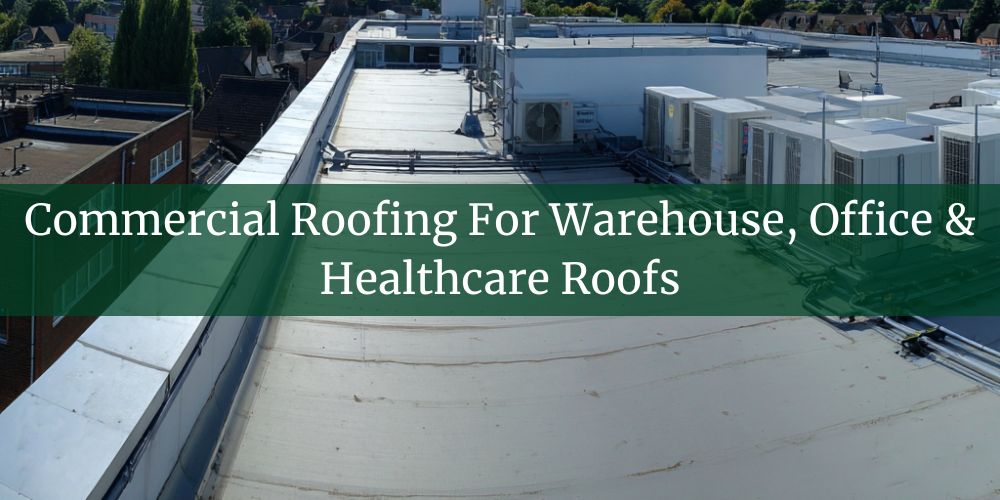
Commercial roofing is used for warehouses, offices, and healthcare facilities. Commercial roofing makes use of durable and weather-resistant materials such as metal, EPDM, and TPO, which provide excellent protection against the country's variable climate conditions. For many UK businesses commercial roofing which effectively insulates buildings is a key consideration as it reduce energy costs and creates a comfortable environment for both employees and patients. Commercial roofing solutions must be designed to meet UK building regulations, thereby ensuring safety and compliance for commercial properties.
For UK commercial property owners and facility managers, selecting the right roofing solution is crucial for ensuring operational efficiency and long-term cost savings. In this blog, we’ll delve into why commercial roofing is a preferable choice for warehouses, offices, and healthcare facilities, highlighting the benefits and considerations specific to the UK context.
What Makes Commercial Roofing Suitable for Different Types of Facilities?
Commercial roofing is tailored to meet diverse facility needs through durability, energy efficiency, and adaptability. These roofing systems can accommodate various building types, environmental conditions, and operational requirements, ensuring the protection and optimisation of facility performance. Understanding the key attributes which make commercial roofing versatile helps facility managers and developers choose the most appropriate solutions for their specific needs.
Here are five critical factors that make commercial roofing suitable for various facility types:
- Durability: Designed to endure diverse environmental stresses and long-term wear.
- Energy Efficiency: Incorporates reflective materials to minimise energy costs.
- Customisation: Offers varied designs to match architectural styles and facility requirements.
- Weather Resistance: Provides robust protection against extreme weather conditions.
- Low Maintenance: Requires minimal upkeep, reducing management costs over time.
1. Durability: Designed to endure diverse environmental stresses and long-term wear.
Durability refers to a roof’s ability to withstand the test of time and nature's elements. This characteristic ensures that commercial roofs provide reliable protection against rain, wind, and sun, contributing to their suitability for various facilities. High-quality materials ensure that roofs remain intact and functional for years, translating into long-term cost benefits and reducing the frequency of repairs.
2. Energy Efficiency: Incorporates reflective materials to minimise energy costs.
Energy efficiency in roofing involves reflective surfaces that help in reducing heat absorption. By lowering the amount of heat that enters a building, these roofs maintain a stable internal environment. This results in decreased reliance on air conditioning systems, thereby cutting down energy expenses and promoting eco-friendly practices.
3. Customisation: Offers varied designs to match architectural styles and facility requirements.
Customisation in commercial roofing allows roofs to be tailored to specific aesthetic and functional needs. Such flexibility permits roofs to complement and enhance the overall design of a facility, making them compatible with any architectural vision. Whether flat, sloped, or uniquely shaped, customised roofs cater to different structural demands while maintaining functionality.
4. Weather Resistance: Provides robust protection against extreme weather conditions.
Weather resistance ensures that a roof can withstand adverse weather without losing integrity. This is particularly crucial for facilities exposed to harsh climates, where roofs are subject to strong winds, heavy rainfall, and snow. A weather-resistant roof enhances safety and reduces potential damage costs, offering reliability across various environmental scenarios.
5. Low Maintenance: Requires minimal upkeep, reducing management costs over time.
Low maintenance refers to roofs requiring fewer inspections and repairs to stay in good condition. This attribute makes the roof economically advantageous for facilities, especially those with limited maintenance budgets. By minimising the need for frequent maintenance, facilities can allocate resources to other essential areas and ensure uninterrupted operations.
Have a question about an upcoming project?
How Does Commercial Roofing Benefit Warehouses, Offices, and Healthcare Facilities?
Commercial roofing enhances the functionality, safety, and cost-efficiency of warehouses, offices, and healthcare facilities. By offering protection from environmental elements and reducing energy costs, commercial roofing supports the operational effectiveness and sustainability of these structures. Additionally, choosing durable and energy-efficient roofing solutions can contribute significantly to long-term savings and building integrity.
Here are the key benefits of commercial roofing for such facilities:
- Weather Protection: Safeguards structures from environmental elements, ensuring interior safety and asset security.
- Energy Efficiency: Utilises reflective materials to minimise energy consumption and lower operational costs.
- Durability: Employs robust materials designed to extend roof lifespan and reduce maintenance needs.
- Environmentally Friendly: Incorporates eco-friendly components to reduce carbon footprint and enhance sustainability.
- Cost-Effective Solutions: Offers long-term savings by decreasing repair costs and improving energy usage.
1. Weather Protection: Safeguards structures from environmental elements, ensuring interior safety and asset security.
Weather protection refers to the ability of a roof to shield a building from the effects of rain, wind, snow, and other environmental factors. In warehouses, offices, and healthcare facilities, weather protection is crucial to maintain internal conditions and protect valuable contents. A robust commercial roof prevents water leaks and structural damage, thereby safeguarding the health and safety of occupants and the integrity of stored goods. By investing in high-quality roofing, these facilities can avoid costly repairs and interruptions, ensuring consistent service delivery and operational efficiency.
2. Energy Efficiency: Utilises reflective materials to minimise energy consumption and lower operational costs.
Energy efficiency in roofing involves using materials that minimise heat absorption and reflect sunlight effectively. This is particularly beneficial for offices and healthcare facilities, where temperature regulation is essential for comfort and equipment function. An energy-efficient roof can significantly reduce the energy costs associated with cooling interior spaces. Additionally, energy-efficient commercial roofs contribute to sustainability goals, as they lower the overall carbon footprint of a building by reducing the demand for energy produced from non-renewable sources.
3. Durability: Employs robust materials designed to extend roof lifespan and reduce maintenance needs.
Durability in roofing means using materials that can withstand wear and tear over time without requiring frequent repairs or replacements. For warehouses, durability is crucial to protecting large inventories from weather-induced damage. In offices and healthcare facilities, it ensures that the building remains operational without interruptions due to roof failures. By choosing durable materials, building owners can ensure a longer roof lifespan, reducing the frequency and costs of repairs and providing peace of mind regarding structural integrity.
4. Environmentally Friendly: Incorporates eco-friendly components to reduce carbon footprint and enhance sustainability.
Eco-friendly roofing involves using materials and technologies that have a low environmental impact. Warehouses, offices, and healthcare facilities integrating sustainable roofing solutions benefit from lower emissions and reduced ecological footprint, aligning with modern environmental standards and corporate responsibility goals. Such roofing options often include recycled materials, and cool roof technologies, and help in stormwater management, contributing to a sustainable building ecosystem.
5. Cost-Effective Solutions: Offers long-term savings by decreasing repair costs and improving energy usage.
Cost-effective roofing involves investments that lead to reduced expenses over the lifespan of the roof. Both warehouses and healthcare facilities can save on energy and maintenance costs, adding value to the overall building operation. By installing a high-quality commercial roof, facilities can lower the need for frequent repairs, translating to significant savings over time. Moreover, cost-effective roofing solutions often come with extensive warranties, providing added financial security and ensuring minimal disruption to business operations.
What Factors Should Be Considered When Choosing Commercial Roofing for Your Facility?
When choosing commercial roofing for your facility, consider factors like durability, energy efficiency, and local climate conditions. These aspects ensure the longevity and functionality of the roof, affecting cost and maintenance needs. Proper selection will safeguard your building and improve operational cost-efficiency. Here are the key factors to consider when selecting commercial roofing for your facility:
- Weather Resistance: Protects against harsh local climate and environmental conditions.
- Durability: Ensures long-lasting performance with minimal maintenance.
- Energy Efficiency: Reduces energy costs through insulation and reflectivity.
- Cost-Effectiveness: Offers a balance between upfront costs and long-term savings.
- Material Suitability: Aligns with the building's structural requirements and aesthetics.
1. Weather Resistance: Protects against harsh local climate and environmental conditions.
Weather resistance refers to a roof's ability to withstand various environmental challenges such as rain, wind, and temperature fluctuations. It is crucial for ensuring the roof's integrity and lifespan in a specific geographical area. Selecting a roof optimized for the local climate helps prevent damage, such as leaks or structural weakening. This consideration becomes particularly important in regions prone to severe weather, where a robust roofing system can avert costly repairs and ensure operational continuity.
2. Durability: Ensures long-lasting performance with minimal maintenance.
Durability assesses how well a roofing material can perform over time without deterioration. A durable roof reduces the frequency of repairs and the need for replacements, lowering overall expenses. When choosing roofing materials, it's vital to gauge their resistance to wear and tear under typical environmental conditions. Durable roofing systems contribute to the building's sustainability, with longer lifespans reducing the environmental impact associated with frequent reroofing.
3. Energy Efficiency: Reduces energy costs through insulation and reflectivity.
Energy efficiency in roofing involves the use of materials that minimize energy consumption by improving insulation and reflective properties. Efficient roofs can significantly reduce heating and cooling costs, offering substantial savings on energy bills over time. Such roofs can include materials designed to reflect sunlight and reduce heat absorption, like cool roofing solutions. Incorporating energy-efficient designs not only supports financial savings but also enhances environmental sustainability by reducing a facility's carbon footprint.
4. Cost-Effectiveness: Offers a balance between upfront costs and long-term savings.
Cost-effectiveness balances the initial investment cost against ongoing maintenance and operational savings. Though expensive upfront, high-quality roofing can offer significant savings over its lifespan, offsetting initial expenditures with reduced repair and energy costs. Evaluating life-cycle costs rather than just initial price helps in selecting a roofing system that delivers the best returns and value for money.
5. Material Suitability: Aligns with the building's structural requirements and aesthetics.
Material suitability ensures the roofing material chosen complements the building's architectural structure and appearance. It's essential to select materials that not only meet structural needs but also adhere to local building codes and sustainability goals. This factor is crucial in maintaining the building's visual appeal and ensuring compliance with relevant construction regulations, enhancing both functionality and property value.
In the United Kingdom, commercial roofing plays a pivotal role in maintaining the integrity and functionality of warehouses, offices, and healthcare facilities. Given the unique weather patterns and building needs across the UK, selecting the right roofing solution is essential for ensuring durability and energy efficiency. Whether it's protecting valuable inventory in a warehouse, providing a comfortable and safe environment for office employees, or ensuring a secure space for healthcare operations, the right commercial roofing system can make a significant difference. By investing in high-quality materials and professional installation, businesses across the UK can enhance their building's performance and longevity, ultimately supporting their operational success.
If you are seeking expert advice on commercial roofing solutions for your facility in the United Kingdom or require a detailed assessment, we're here to help. Please use our contact form to get in touch with our experienced team, who will be delighted to assist you with your commercial roofing needs.