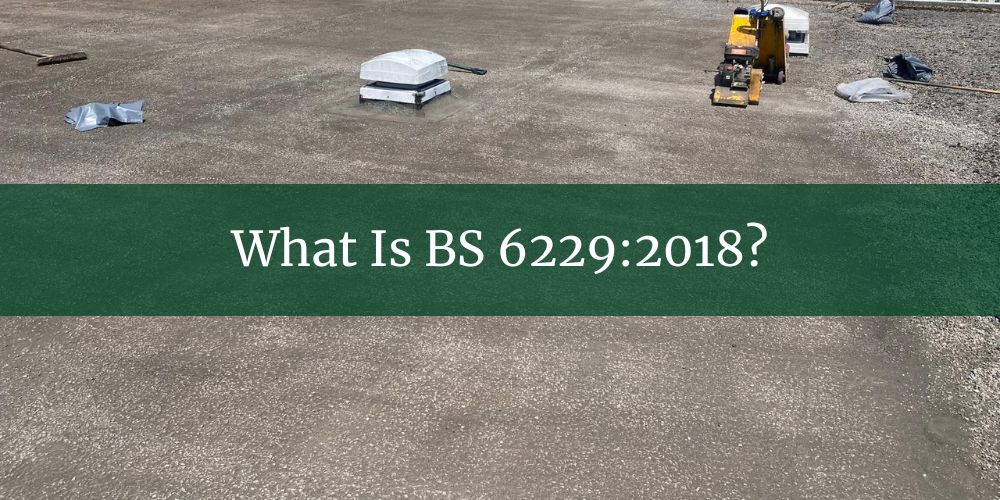
BS 6229:2018 provides comprehensive guidelines for the design, construction, and maintenance of flat roofs in the United Kingdom, ensuring safety and performance standards are met. This updated standard outlines requirements for materials, installation techniques, and maintenance practices critical for the longevity and efficiency of flat roofing systems. To ensure compliance, BS 6229:2018 emphasizes the importance of proper drainage, thermal performance, and moisture control systems that are crucial to withstand the UK's variable weather conditions. Moreover, the standard highlights the necessity for regular inspections and maintenance to efficiently manage potential water ingress and thermal insulation challenges associated with flat roofs.
For commercial property owners and facility managers in the UK, understanding the implications of BS 6229:2018 is vital for ensuring that flat roofs meet modern safety and operational standards. In this blog, we will examine the key elements of the standard, how it affects roofing practices, and the expert considerations for maintaining flat roofing systems in the UK.
What Is BS 6229:2018 and Why Is It Important for Flat Roofing?
BS 6229:2018 is a British Standard providing guidelines for flat roof design and construction. The standard offers practical guidance on condensation control, thermal performance, and structural integrity. It serves as a crucial benchmark ensuring that flat roofs are safe, effective, and energy-efficient, thereby extending their lifespan and reducing maintenance costs. Below is a list explaining why BS 6229:2018 is essential for flat roofing projects:
- Thermal Performance: Enhances energy efficiency and minimises heat loss in buildings.
- Condensation Control: Offers solutions to prevent moisture accumulation and related damage.
- Structural Integrity: Ensures roofs meet safety and durability standards.
- Material Compatibility: Guides the use of suitable materials for effective roofing solutions.
- Installation Best Practices: Sets standards for quality, ensuring long-lasting installations.
1. Thermal Performance: Enhances energy efficiency and minimises heat loss in buildings.
Thermal performance refers to a building's capacity to maintain an optimal temperature using minimal energy. BS 6229:2018 provides guidelines on how to enhance a flat roof's thermal properties. By following these specifications, buildings can achieve lower energy costs and improved comfort levels. For flat roofing, improving thermal performance involves selecting appropriate insulation materials and construction techniques. Compliance with these guidelines helps achieve energy efficiency targets, contributing positively to building regulations concerning sustainability and energy conservation.
2. Condensation Control: Offers solutions to prevent moisture accumulation and related damage.
Condensation control is crucial in preventing moisture build-up that can lead to roof deterioration and unhealthy indoor air. BS 6229:2018 identifies strategies for managing condensation in flat roofing. By implementing these measures, the longevity and functionality of the roof can be maintained. Effective condensation control involves proper ventilation and the use of vapour barriers. The standard's guidelines help ensure these measures are part of the design and construction process, reducing the risk of mould, mildew, and structural damage.
3. Structural Integrity: Ensures roofs meet safety and durability standards.
Structural integrity ensures that roofs can withstand environmental stressors without failure. BS 6229:2018 outlines requirements for constructing flat roofs that are both safe and robust. Adhering to these standards prevents potential hazards such as leaks or collapses. The guidelines on load-bearing capacities, materials, and construction methods contribute to the roof's resilience. This offers peace of mind to homeowners and builders by ensuring compliance with local planning regulations and safety standards.
4. Material Compatibility: Guides the use of suitable materials for effective roofing solutions.
Material compatibility ensures that the selected roofing materials work well together and do not compromise system integrity. BS 6229:2018 provides guidance on choosing compatible materials that contribute to a functional flat roof system. Following these recommendations ensures durability and effectiveness. The standard helps in assessing factors such as chemical reactions, thermal expansion, and life expectancy of materials. Using compatible materials not only enhances performance but also reduces the need for frequent repairs or replacements, offering cost-effectiveness in the long run.
5. Installation Best Practices: Sets standards for quality, ensuring long-lasting installations.
Installation best practices involve methods that ensure roofing is conducted to a high standard. BS 6229:2018 sets the benchmark for quality and consistency in roof installations. Meeting these standards results in reliable and durable flat roofs. Correct installation processes include proper sealing, alignment, and finishing techniques. This ensures that the roof performs as intended, providing effective protection against the elements and meeting aesthetic and functional demands. Adhering to these practices ultimately reduces maintenance costs and prolongs the roof's lifespan.
Have a question about an upcoming project?
How Does BS 6229:2018 Influence the Design and Construction of Commercial Flat Roofs?
BS 6229:2018 provides guidance on the design, construction, and maintenance of flat roofs, ensuring longevity and performance. It addresses critical aspects such as thermal performance, drainage, and moisture control, making it essential for roof designers and contractors. The following points summarise the main influences of BS 6229:2018 on commercial flat roof design and construction:
- Comprehensive Thermal Performance: Enhances insulation and energy efficiency.
- Effective Drainage: Ensures proper water runoff and prevents water pooling.
- Moisture Control: Includes measures to manage condensation and water ingress.
- Maintenance Guidelines: Encourages regular inspections and repairs to extend roof lifespan.
- Material Selection: Advises on suitable materials for durability and performance.
1. Comprehensive Thermal Performance: Enhances insulation and energy efficiency.
Thermal performance refers to a roof's ability to retain or resist heat transfer. In BS 6229:2018, there's an emphasis on improving insulation to enhance energy efficiency. By addressing comprehensive thermal performance, designers can create roofs that preserve interior climate while reducing energy costs. Enhanced insulation can lead to reduced heating expenses in winter and lower cooling costs in summer. Moreover, improved thermal performance contributes to establishing a comfortable interior environment, crucial for commercial settings.
2. Effective Drainage: Ensures proper water runoff and prevents water pooling.
Effective drainage involves the systematic removal of rainwater from the roof surface. BS 6229:2018 sets clear guidelines on ensuring efficient drainage systems in roof design. It helps prevent water pooling, which can lead to structural damage and shorten roof lifespan. Proper drainage is indispensable for avoiding water-related issues, which can lead to costly repairs. By promoting effective water runoff, the standard helps sustain the roof's integrity and overall performance over time.
3. Moisture Control: Includes measures to manage condensation and water ingress.
Moisture control comprises strategies to prevent water penetration and condensation within the roof system. BS 6229:2018 outlines methods for moisture management, reducing the risk of structural deterioration. This control is vital for maintaining roof performance and avoiding mould growth, which can impact health and safety. By effectively managing moisture, the standard helps extend roof longevity and maintain indoor air quality. Implementing these measures prevents damage, ensuring the durability and reliability of commercial flat roofs.
4. Maintenance Guidelines: Encourages regular inspections and repairs to extend roof lifespan.
Maintenance involves routine inspections and addressing minor issues before they become major repairs. The standard BS 6229:2018 recommends periodic assessments and proactive maintenance. This proactive approach helps sustain a roof’s condition and enhances its service life. Regular maintenance mitigates the occurrence of unforeseen failures and potential business disruptions. Ensuring a sound maintenance regime is crucial in aligning with the standard's objectives for optimal roof performance.
5. Material Selection: Advises on suitable materials for durability and performance.
Material selection refers to the choice of construction materials based on their properties and suitability for use. BS 6229:2018 provides guidance on selecting durable materials that ensure prolonged functionality. Proper material selection influences the roof's ability to withstand environmental stresses. Choosing suitable materials is vital for achieving a resilient roof structure and is integral in meeting the conditions specified in BS 6229:2018. Thoughtful material selection supports long-term durability, thereby reducing the need for frequent repairs or replacements.
What Are the Key Considerations for Complying with BS 6229:2018 in Your Roofing Project?
Ensuring compliance with BS 6229:2018 in a roofing project requires attention to key design, construction, and maintenance aspects. The standard provides comprehensive guidance on flat roof design and construction to prevent rainwater ingress and optimise thermal performance. Adhering to these guidelines ensures that the roofing system is durable, energy-efficient, and resilient to British weather conditions.
Key considerations for compliance with BS 6229:2018 include an understanding of the following major aspects:
- Drainage Design: Ensures Efficient Water Removal and Prevents Leakage.
- Thermal Performance: Achieves Compliance with Energy Efficiency Standards.
- Material Selection: Suitable for Weather Resistance and Longevity.
- Inspection and Maintenance: Promote Long-term Durability of Roofing Systems.
- Construction Detailing: Minimises Risk of Water Ingress and Damages.
1. Drainage Design: Ensures Efficient Water Removal and Prevents Leakage.
Proper drainage design is crucial for efficiently removing rainwater from flat roof surfaces. By ensuring effective water removal, it minimises water accumulation on the roof and the risks of leaks envisaged under BS 6229:2018 requirements. It involves integrating slope design and drainage outlets that accommodate expected rainfall, reducing the chance of ponding and subsequent structural damage.
2. Thermal Performance: Achieves Compliance with Energy Efficiency Standards.
Thermal performance is about maintaining adequate insulation levels to meet energy efficiency criteria. BS 6229:2018 emphasises thermal performance, essential for reducing energy consumption and heating costs in buildings. Correct insulation reduces heat loss during winter and keeps interiors cooler in summer, promoting energy efficiency and lowering environmental impact.
3. Material Selection: Suitable for Weather Resistance and Longevity.
Material selection impacts a roof's ability to resist weather conditions and last longer. Complying with BS 6229:2018 requires choosing materials durable enough to resist local weather phenomena, such as heavy rain and wind. The right materials will maintain structural integrity over time, reducing maintenance costs and extending the roof's lifespan.
4. Inspection and Maintenance: Promote Long-term Durability of Roofing Systems.
Regular inspection and maintenance ensure the ongoing resilience and performance of the roof. The guidelines underscore the importance of routine checks and upkeep to prevent potential issues and extend the roof’s life. Scheduled inspections can preemptively address minor issues before they become significant problems, optimising the roof's longevity and operational effectiveness.
5. Construction Detailing: Minimises Risk of Water Ingress and Damages.
Construction detailing involves precise construction methods to avert water ingress and related damages. BS 6229:2018 considers careful detailing as vital to the roof's ability to withstand severe weather without leaks or failures. It covers fixture penetrations, perimeter flashings, and joint treatments, ensuring these areas are properly sealed and protected against water infiltration.
BS 6229:2018 serves as a cornerstone for flat roofing design across the United Kingdom, ensuring that every commercial project meets rigorous standards of safety, durability, and efficiency. This comprehensive guideline is vital for architects, builders, and property managers who aim to optimise the performance and lifespan of their commercial roofing systems. By adhering to these standards, businesses can safeguard their investments against the varied and often harsh UK climate, while also improving energy efficiency and sustainability. As the landscape of commercial roofing continues to evolve, staying aligned with BS 6229:2018 not only helps in maintaining compliance but also enhances the overall quality and resilience of flat roofing solutions throughout the United Kingdom.
If you're looking to ensure your commercial roof meets the highest standards or need expert guidance on flat roofing design in line with BS 6229:2018, please get in touch through our contact form. Our team at Commercial Roofing Contractors is here to provide professional advice and solutions tailored to your roofing needs, helping you achieve excellence in roofing design and performance.